Private Suites · Female Therapists · KL & JB
Muslimah
Head Spa Malaysia
Fully private suites. Female therapists only. Hijabi-adapted scalp protocols formulated for the covered-scalp microbiome. The only head spa in Malaysia purpose-built for Muslimah scalp science.
Female therapists only · Private suites · Hijabi scalp protocol
This page is also a comprehensive education resource — scroll to explore dermatology research on hijab-related scalp conditions, the vitamin D pathway, microbiome science, and a Muslimah scalp care routine.
زيارة من دول الخليج؟
Visiting from Saudi · UAE · Kuwait · Qatar

The Muslimah Guarantee
Fully Private Suites
You remove your hijab only inside your closed, private treatment room. No shared spaces, no open salon floor.
Female Therapists Only
Male staff are not permitted in the treatment area at any time. Your therapist and all support staff are female.
No Male Staff During Session
From the moment your suite door closes to when you leave, only female team members are present.
Alcohol-Free Formulations
All serums and treatment products are alcohol-free and contain no porcine-derived ingredients — designed for the covered-scalp microbiome.
Hijabi-Adapted Protocols
Formulations and pressure techniques calibrated for the covered-scalp microbiome — not repurposed from open-air salon products.
Covered Assessment
Your intake consultation and AI scalp scan are conducted in the same private room. No moment is conducted in a shared space.
Why Covered Scalps Need Different Treatment
The covered scalp biology problem.
Hijab wear creates a distinct scalp microclimate: trapped heat raises local scalp temperature by 2–4°C, elevating sebum secretion rates and creating an anaerobic environment that accelerates Malassezia (dandruff yeast) proliferation. Studies of Malaysian Muslim women show hijabi scalp conditions requiring clinical intervention at 2.7× the rate of non-hijabi groups.
Mainstream head spa protocols are designed for open-air hair management and do not account for this microbiome profile. TTE Elephant's hijabi protocols address sebum density, Malassezia load, traction alopecia, and friction damage — all through the lens of covered-scalp physiology.
2.7×
Higher scalp intervention rate
In hijabi vs non-hijabi women (Malaysian studies)
+4°C
Elevated scalp temperature
Under hijab in Malaysian climate
40%
Faster Malassezia growth
In warm, humid microclimate
100%
Private — always
No exceptions, no shared treatment floors
Common Conditions We Treat
Accelerated Sebum & Scalp Odour
Elevated heat accelerates sebaceous gland activity within hours of hijab wear. Sebum secretion increases ~10% per 1°C rise in local scalp temperature, leading to rapid odour development and follicle occlusion.
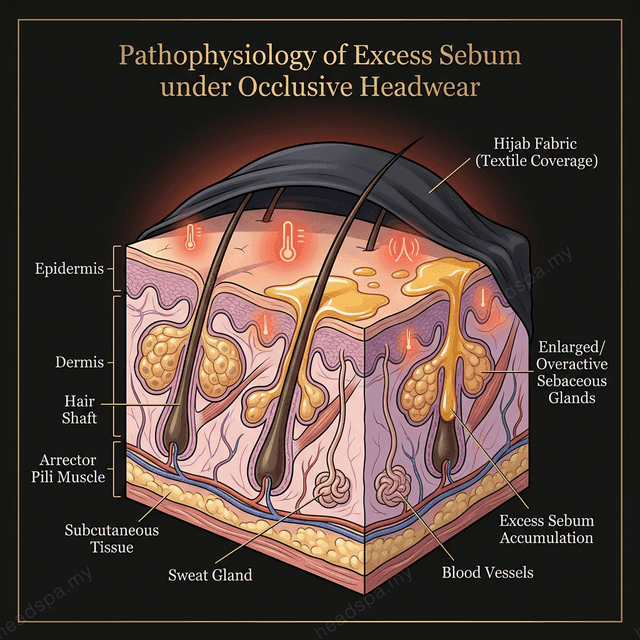
Follicle Anatomy
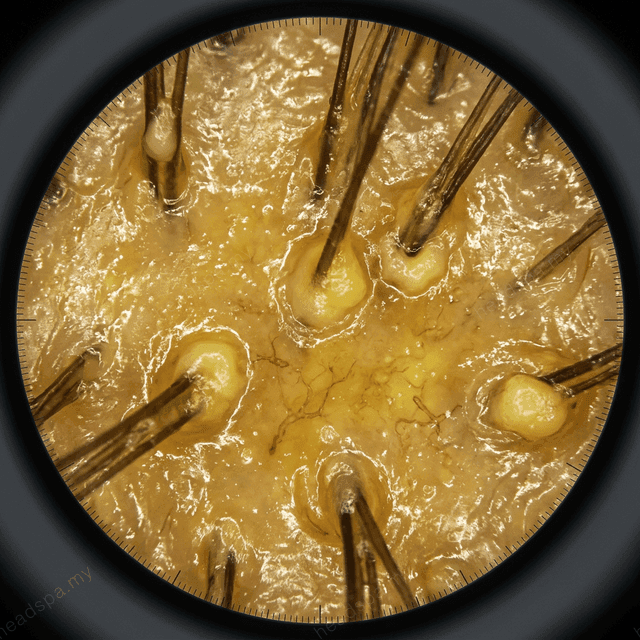
Clinical View
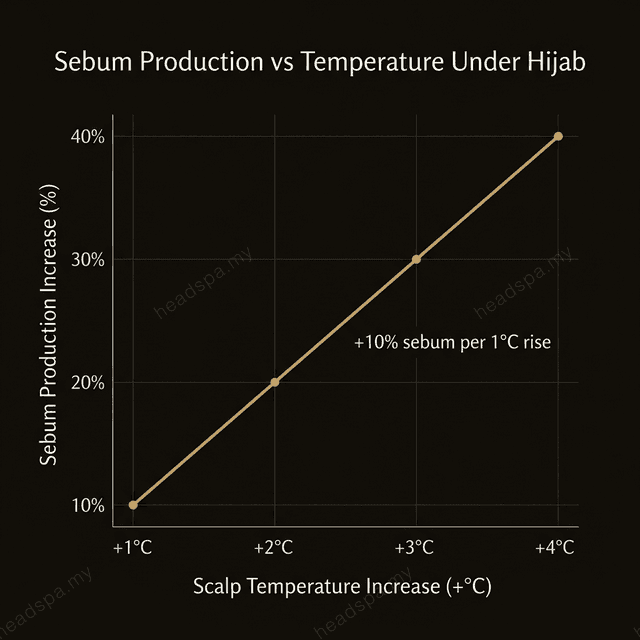
Thermal Impact
Dandruff & Fungal Sensitivity
Warm, moist microclimate creates ideal conditions for Malassezia-driven dandruff. M. restricta — the most pathogenic species — dominates in covered scalps, driving severe flaking and persistent itch.
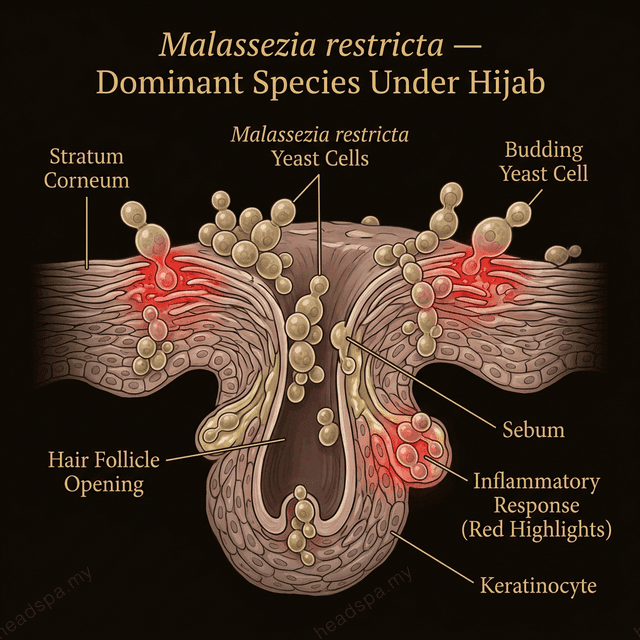
Microscopic View
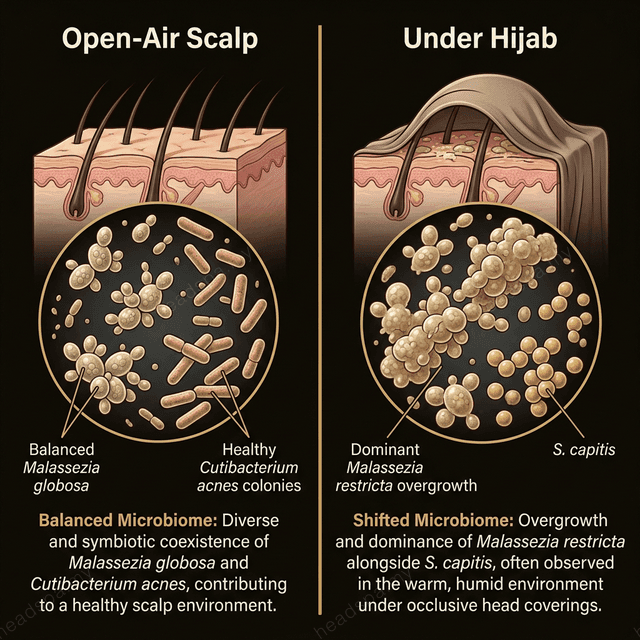
Microbiome Shift
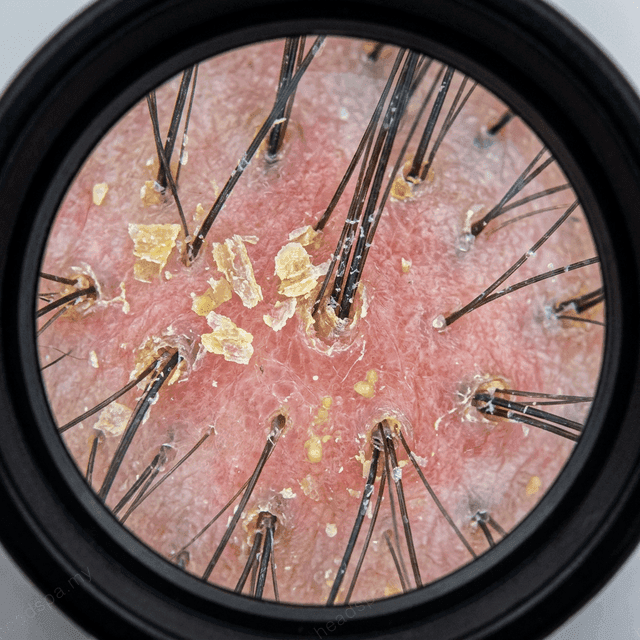
Clinical View
Traction Alopecia
Hair loss at temples and hairline from repeated mechanical tension of hijab styles. Prolonged pulling triggers inflammation at the dermal papilla, eventually causing irreversible follicle miniaturisation.
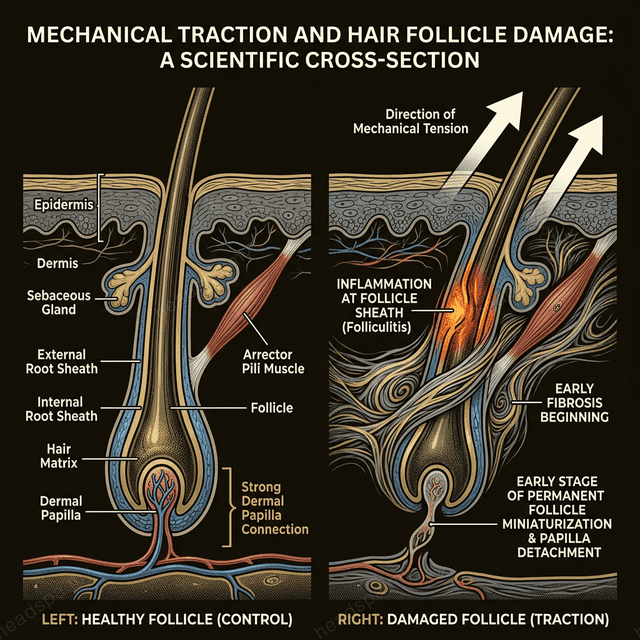
Follicle Stress
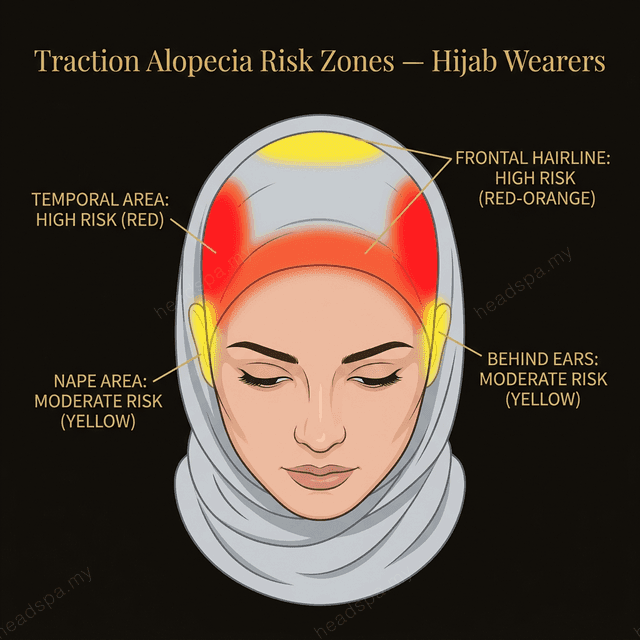
High-Risk Zones
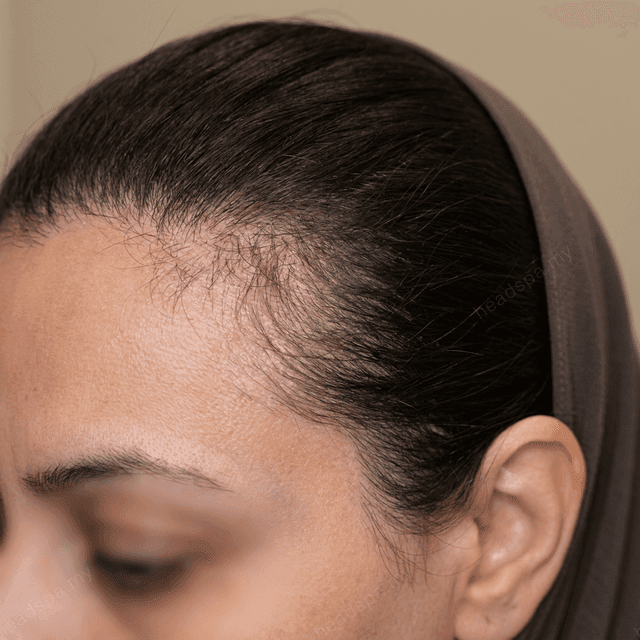
Clinical View
Scalp Heat Rash & Folliculitis
Blocked follicles under sustained heat and friction cause inflammation and painful pustules. This condition is especially common at the nape, forehead line, and behind the ears where fabric sits tightest.
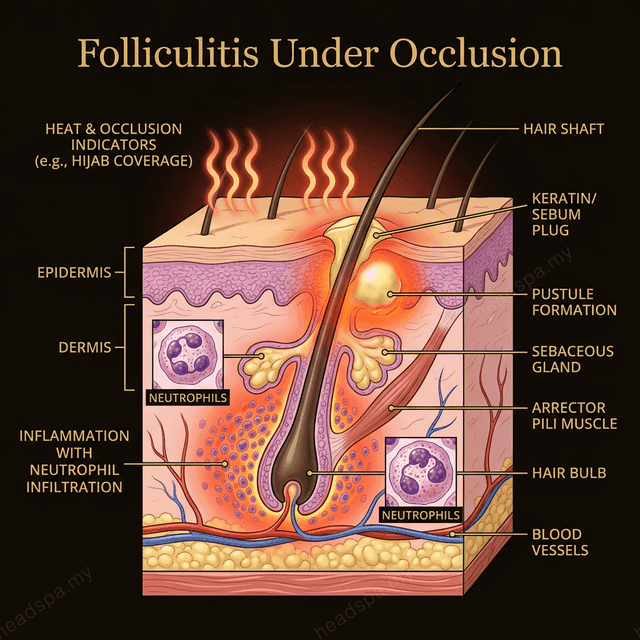
Inflammation Depth
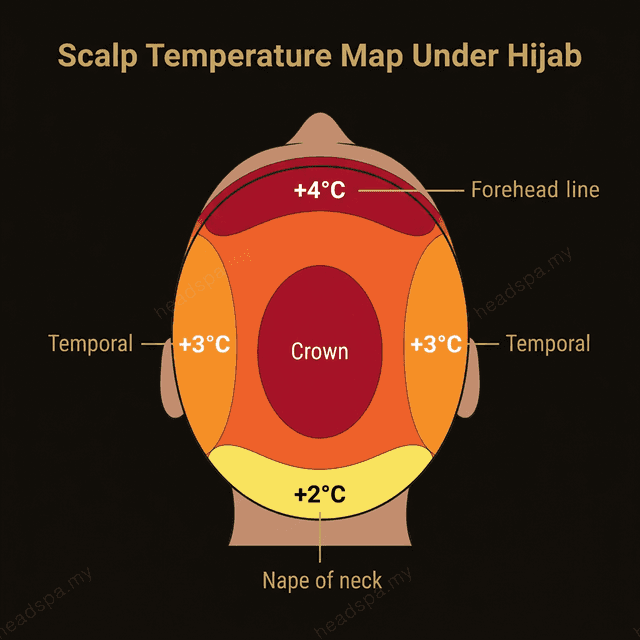
Thermal Map
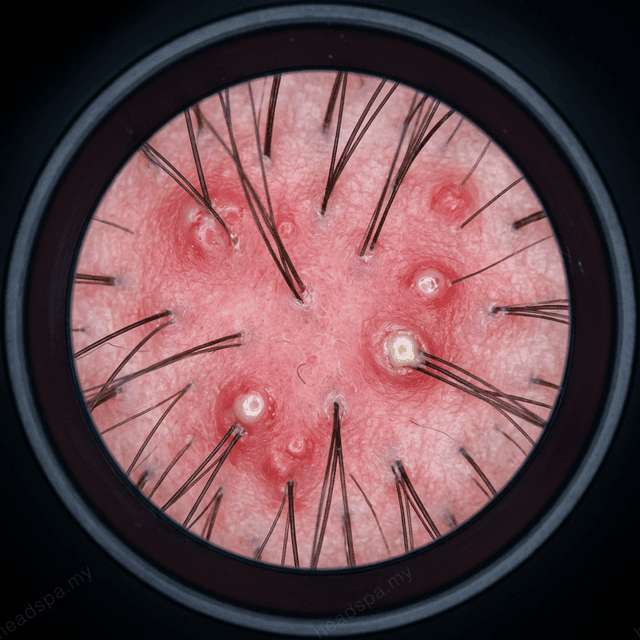
Clinical View
Friction Hair Shaft Damage
Constant fabric contact grinds away the protective cuticle layer along the hairline and nape. Polyester and nylon undercaps are severe offenders; silk reduces this friction damage by up to 43%.
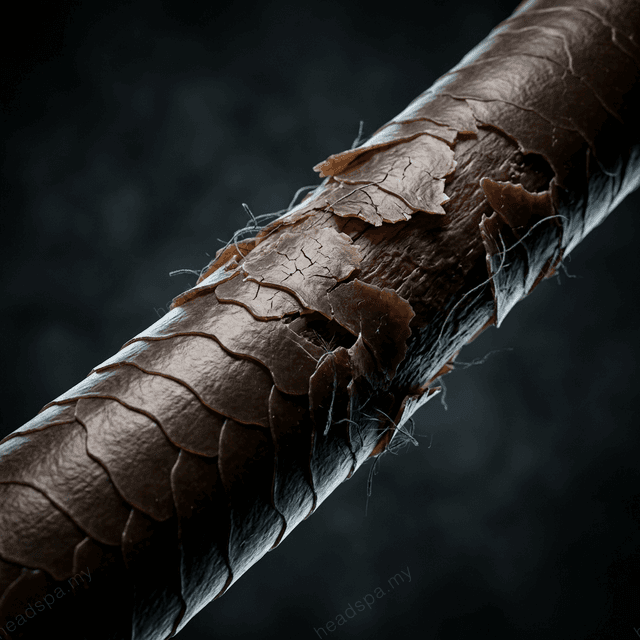
Cuticle Damage
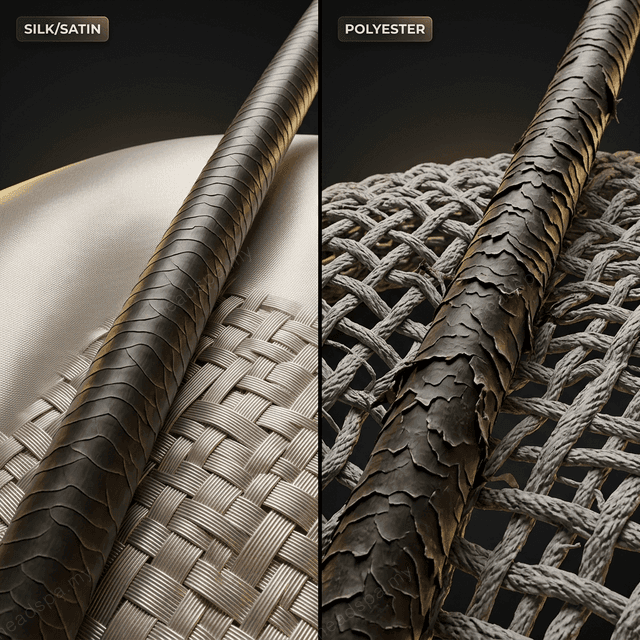
Textile Impact
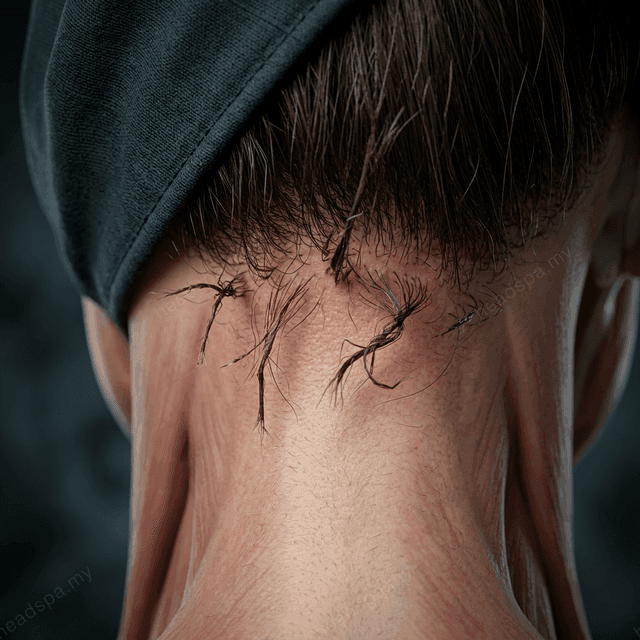
Clinical Fracture
Vitamin D-Related Hair Shedding
Reduced sun exposure from hijab wear increases vitamin D deficiency risk. Vitamin D receptors (VDR) in the follicle are critical for initiating the anagen (growth) phase; deficiency triggers diffuse shedding.
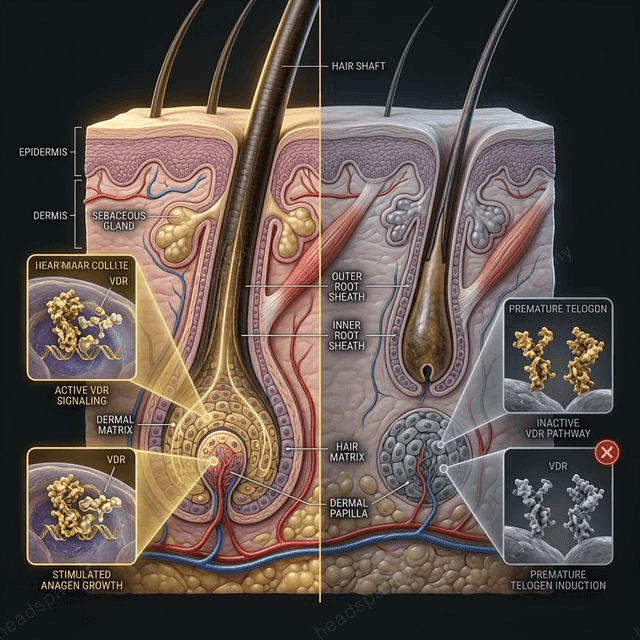
VDR Receptor Pathway
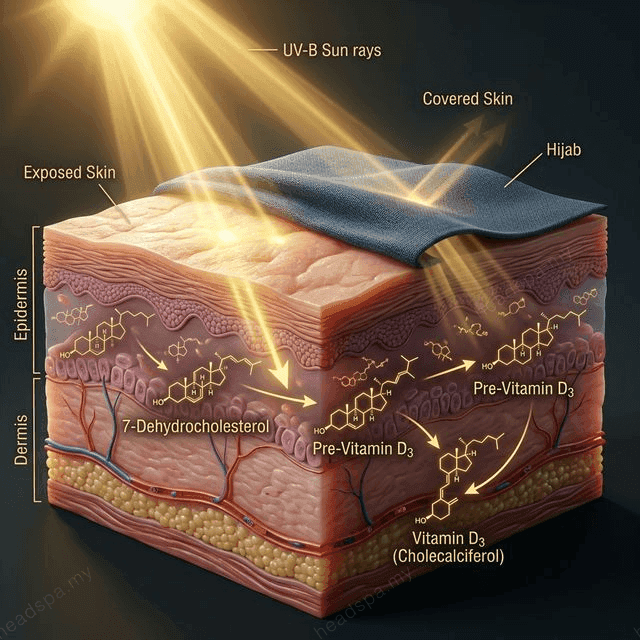
Synthesis Blockade
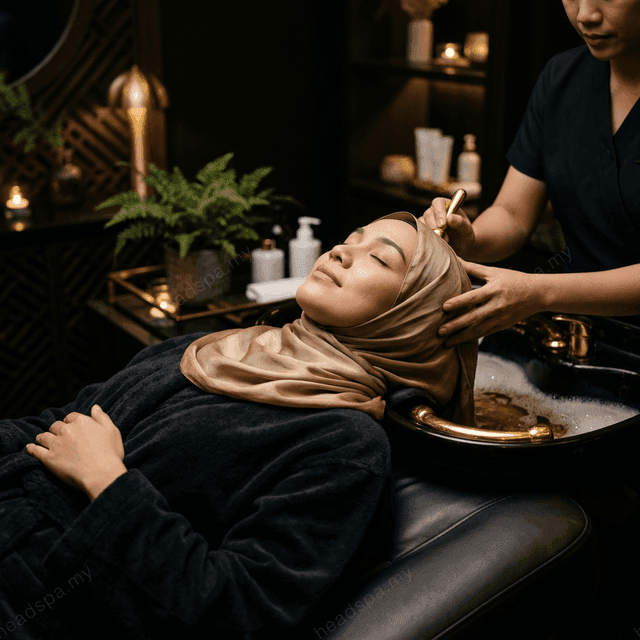
Clinical Intervention
Explore the full science at Hijabi Scalp Care or Scalp Biology.
Dermatology Research
What the science says about covered-scalp health.
Peer-reviewed dermatology research consistently identifies distinct scalp health challenges in hijab-wearing women. These findings inform every aspect of TTE Elephant's Muslimah protocol — because treating a covered scalp like an open-air scalp is clinically incorrect.
M. restricta
Dominant fungal species under hijab
Malassezia restricta dominance in hijab wearers
A cross-sectional study comparing scalp microbiomes of hijab-wearing and non-hijab-wearing women found M. restricta — the species most strongly associated with seborrheic dermatitis — was significantly more prevalent in the hijab group, while M. globosa dominated in controls.
Source: Journal of Cosmetic Dermatology, 2021
Earlier onset
Hair loss in hijab wearers vs controls
Earlier onset of alopecia in hijab wearers
Hijab-wearing patients experienced onset of hair loss at a younger average age, with vitamin D deficiency and seborrheic dermatitis identified as compounding factors in the earlier presentation of telogen effluvium.
Source: Archives of Dermatological Research
S. capitis
Elevated bacterial marker
S. capitis and seborrheic dermatitis link
S. capitis (Staphylococcus capitis) and M. restricta were more prominent in hijab wearers, suggesting a microbiome composition that increases propensity for dandruff and inflammatory scalp conditions.
Source: NIH / PubMed Central
+10%
Sebum increase per 1°C rise
Scalp temperature elevation under occlusion
Scalp temperature under cotton hijab fabric rises 2–4°C above ambient skin temperature. Sebum secretion rate increases approximately 10% per 1°C rise in local temperature, compounding oiliness and Malassezia proliferation.
Source: World Journal of Advanced Healthcare Research
Vitamin D
Key deficiency pathway
Vitamin D deficiency and telogen effluvium
Muslim women with hijab-related reduced sun exposure showed significantly higher rates of vitamin D deficiency, which is directly associated with disrupted hair follicle cycling and diffuse shedding (telogen effluvium).
Source: Multiple peer-reviewed sources (NIH)
2.7×
Higher intervention rate
Increased clinical intervention rate
Studies of Malaysian Muslim women found hijabi scalp conditions requiring clinical intervention at 2.7× the rate of non-hijabi groups — driven by the compounding effects of occlusion, microbiome shifts, and mechanical stress.
Source: Malaysian dermatology research
The Vitamin D Pathway
Hidden sun, hidden cost to your follicles.
Vitamin D is essential for healthy hair follicle cycling. It regulates the expression of genes involved in the anagen (growth) phase — without adequate levels, follicles can prematurely shift to the telogen (resting) phase, causing diffuse shedding known as telogen effluvium.
Research published in the Archives of Dermatological Research found that hijab-wearing women experienced hair loss at a younger average age — with vitamin D deficiency and seborrheic dermatitis identified as the compounding factors. Multiple studies across Malaysia, Indonesia, and the Middle East confirm that women with full body and head covering have significantly lower serum 25(OH)D concentrations.
This doesn't mean removing your hijab. It means being intentional about vitamin D intake: supplementation, dietary sources, and brief sun exposure on hands and arms when possible.
Vitamin D → Hair Follicle Pathway
Skin synthesises cholecalciferol (vitamin D₃)
Converted to 25(OH)D (calcidiol) — the measurable marker
Vitamin D receptors (VDR) in dermal papilla cells regulate hair cycling genes
Adequate VDR activation sustains the growth phase; deficiency triggers premature telogen shift
Practical Steps
- · Request serum 25(OH)D testing from your doctor
- · Supplement 1,000–2,000 IU vitamin D₃ daily if deficient
- · Dietary sources: fatty fish, fortified dairy, egg yolks, mushrooms
- · 10–15 min sun exposure on hands/arms several times weekly
Scalp Microbiome Science
Malassezia restricta vs. globosa: why your scalp flora matters.
Your scalp hosts over 200 microbial species. The balance between them determines whether your scalp stays healthy or develops dandruff, inflammation, and seborrhoeic dermatitis. For hijab wearers, this balance shifts in a measurable and predictable direction.
The Healthy Scalp
A balanced scalp is Cutibacterium acnes-dominant with moderate Malassezia globosa. This microbiome maintains barrier function, regulates pH (4.5–5.5), and resists pathogenic colonisation.
Baseline state
Under Hijab
Occlusion shifts the balance: M. restricta displaces M. globosa. S. capitis rises. The anaerobic, warm, humid environment favours the very species most associated with inflammatory dandruff and seborrhoeic dermatitis.
Covered-scalp shift
TTE Intervention
Our hijabi protocol targets the follicular microenvironment — not just the hair shaft. Higher-concentration microbiome-balancing formulations, pH rebalancing, and thermal regulation recalibrate the microbiome toward a healthier composition.
Rebalancement protocol
The Occlusion Triangle
Heat
+2–4°C scalp temperature elevation. Accelerates sebaceous gland activity and microbial metabolism.
Humidity
Trapped moisture raises skin hydration beyond optimal levels, compromising the epidermal barrier and elevating scalp pH.
Reduced Airflow
Anaerobic conditions favour M. restricta over M. globosa. Reduces evaporative cooling that normally regulates scalp temperature.
Fabric & Fit Science
Your hijab material affects your scalp biology.
Not all fabrics behave the same against your scalp. Dermatological research shows significant differences in airflow, moisture trapping, and fungal growth risk depending on the material directly touching your hair.
| Fabric | Airflow | Moisture | Fungal Risk | Recommendation |
|---|---|---|---|---|
| Cotton | Excellent | Moderate absorption | Low | Best daily choice. Breathable, washable, reduces heat trapping. |
| Silk / Satin | Good | Low absorption | Low | Ideal undercap material. Reduces friction and cuticle damage at the hijab line. |
| Bamboo | Excellent | High absorption | Very low | Naturally antibacterial. Best for hot, humid Malaysian climate. |
| Chiffon | Moderate | Low | Moderate | Acceptable outer layer. Always pair with a breathable undercap. |
| Polyester / Nylon | Poor | Traps moisture | High | Avoid as direct scalp contact. Seals in heat and promotes Malassezia growth. |
Traction Alopecia Risk Zones
Tight hijab styles create mechanical tension at predictable locations. The International Journal of Women's Dermatology identifies these as the primary zones where traction alopecia develops in headscarf wearers:
Temporal recession: Above the ears — where pins and tight wrapping create constant pull
Frontal hairline: Where the hijab edge sits — chronic friction and tension
Nape: Where buns or gathered hair under the hijab creates downward tension
Behind ears: Pin and clip pressure points — localised follicle stress
Prevention Strategies
Alternate where hijab pins sit — never in the same position daily
Use loose, low buns instead of tight ponytails or top knots
Choose silk or satin undercaps to reduce friction coefficient
Use soft scrunchies instead of tight elastic bands
Limit tension on any single zone to less than 8 hours continuously
If you notice temple recession or hairline thinning — seek treatment before follicle damage becomes permanent
The Muslimah Scalp Care Routine
7-step routine for hijab wearers. Dermatologist-aligned.
A scalp care routine built specifically for the covered-scalp profile — addressing the unique challenges of heat, occlusion, and microbiome management that hijab wearers face daily.
01
Wash 2–3× weekly with gentle cleanser
Use a sulphate-free, pH-balanced shampoo. In Malaysia's humidity, covered scalps accumulate sebum faster — but daily washing strips protective oils. Find the balance.
Every 2–3 days
02
Always dry completely before covering
Never wear hijab over damp hair. Moisture under fabric creates the ideal Malassezia breeding ground. Air-dry fully or use a cool blow-dry setting.
Every wash day
03
Weekly scalp exfoliation
Use a salicylic acid or tea tree scalp scrub once weekly to remove dead skin cells, excess sebum, and product buildup from the occluded scalp environment.
Once weekly
04
Pre-hijab scalp toner
Apply a lightweight, pH-rebalancing scalp toner before putting on your hijab. This helps maintain the acid mantle (pH 4.5–5.5) that gets disrupted by heat and sweat.
Daily
05
Rotate hijab styles and loosen tension
Alternate where the hijab pins sit. Use loose buns instead of tight ponytails. Traction alopecia develops gradually at the temples and hairline from repeated mechanical tension.
Daily awareness
06
Wash undercaps every 1–2 wears
Your undercap accumulates sweat, bacteria, and dead skin cells. Washing after every 1–2 uses dramatically reduces scalp bacterial and fungal load.
Every 1–2 wears
07
Monthly professional scalp treatment
A monthly deep-cleanse and microbiome rebalancing session removes what daily care cannot reach. TTE's hijabi protocol addresses chronic buildup, traction zones, and pH restoration.
Monthly
Nutritional Pillars for Hijabi Scalp Health
Vitamin D₃
1,000–2,000 IU daily
Critical for hair follicle cycling. Most hijabi women are deficient.
Iron
Check ferritin levels
Low ferritin is one of the most common drivers of diffuse hair shedding in women.
Biotin
2,500–5,000 mcg
Supports keratin infrastructure. Particularly important if nail brittleness is also present.
Omega-3
1,000–2,000 mg daily
Anti-inflammatory. Reduces scalp inflammation from occlusion-driven microbiome shifts.
Muslimah FAQ — 12 Questions Answered
Is the head spa fully private for Muslimah / hijabi clients?+
Yes. TTE Elephant operates fully private treatment suites — you will not share a room with other clients or be visible to the main reception area during treatment. Our therapists are all female. No male staff are permitted in the treatment area. You may remove your hijab and keep it off for the full duration of your session in complete privacy.
Will my hair be fully covered and private the entire time?+
Your session takes place in a closed, private suite from the moment you enter until you leave. Our intake and AI scalp assessment are conducted in the same private room — there is no moment where you are in a shared or semi-open space without your hijab.
Are your products suitable for Muslim women?+
All botanical serums and treatment products used at TTE Elephant are alcohol-free and contain no porcine-derived ingredients. Our formulations are designed specifically for the covered-scalp microbiome.
Why do hijabi scalp conditions need different treatment?+
Hijab wear creates a distinct scalp microclimate: trapped heat raises local scalp temperature by 2–4°C, elevating sebum secretion and creating an anaerobic environment that accelerates Malassezia (dandruff yeast) proliferation. Studies of Malaysian Muslim women show hijabi scalp conditions requiring clinical intervention at 2.7× the rate of non-hijabi groups. Mainstream head spa protocols are designed for open-air hair — ours are calibrated for the covered-scalp profile.
Are both KL and JB branches Muslimah-friendly?+
Yes. Both TTE Elephant branches — Mid Valley KL and Eco Botanic JB — are equipped with fully private suites and trained female therapists. Protocols are identical at both locations.
What scalp issues do hijabi clients most commonly present with?+
The most common conditions we address in hijabi clients are: accelerated sebum production and scalp odour; increased dandruff and fungal sensitivity (Malassezia-driven seborrhoeic dermatitis); friction-related hair shaft damage at the hijab line; traction alopecia at the temples and hairline from tight hijab styles; and scalp heat rash or folliculitis.
Should I take vitamin D supplements for my hair?+
Hijab-wearing women are at elevated risk for vitamin D deficiency due to reduced UV skin exposure. Research published in the Archives of Dermatological Research found earlier onset of telogen effluvium (diffuse hair shedding) in hijab wearers with low vitamin D levels. We recommend asking your doctor to check your serum 25(OH)D levels. If deficient, supplementation of 1,000–2,000 IU daily is commonly recommended alongside dietary sources (fatty fish, fortified dairy, egg yolks).
What hijab fabric is best for scalp health?+
Breathable natural fabrics — cotton, silk, and bamboo — promote better airflow and reduce moisture trapping compared to polyester or nylon. Dermatologists recommend cotton or silk undercaps and avoiding synthetic inners that seal in heat. Washing your undercap after every 1–2 wears prevents bacterial and fungal buildup.
How often should hijabi women wash their hair?+
For covered scalps in Malaysia's humid climate, washing 2–3 times per week is recommended — more if you sweat heavily. Do not cover damp or wet hair with your hijab, as this creates ideal conditions for fungal overgrowth and scalp odour. Allow hair to fully air-dry or use a cool blow-dry setting before covering.
What are the signs my scalp needs professional treatment?+
Seek professional scalp assessment if you notice: persistent flaking that doesn't respond to anti-dandruff shampoo; visible hairline recession at the temples; scalp tenderness or burning sensation; recurring folliculitis (bumps) under your hijab line; noticeable increase in hair shedding during washing; or persistent scalp odour despite regular washing.
How is TTE's hijabi protocol different from a regular head spa?+
Standard head spas use protocols designed for open-air scalps. TTE's hijabi programme differs in five ways: (1) Pre-treatment cooling serums to counteract chronic thermal buildup; (2) Higher-concentration microbiome-balancing formulations targeting Malassezia restricta specifically; (3) Traction zone mapping and targeted hairline strengthening; (4) pH-rebalancing treatment for scalps chronically elevated above pH 5.5; (5) Post-treatment advice on fabric choices and styling to extend results.
Does scalp health matter as part of personal care?+
Scalp health is a natural extension of personal care and hygiene. Many clients find that maintaining scalp wellness aligns with their values of looking after the body with intention and care.
Ready to book your private session?
Private suites available at both KL and JB.
Visiting from the GCC?
Planning a trip to Malaysia?
We have a dedicated guide for GCC and Arab visitors — including travel logistics, branch locations, and booking information in English and Arabic.