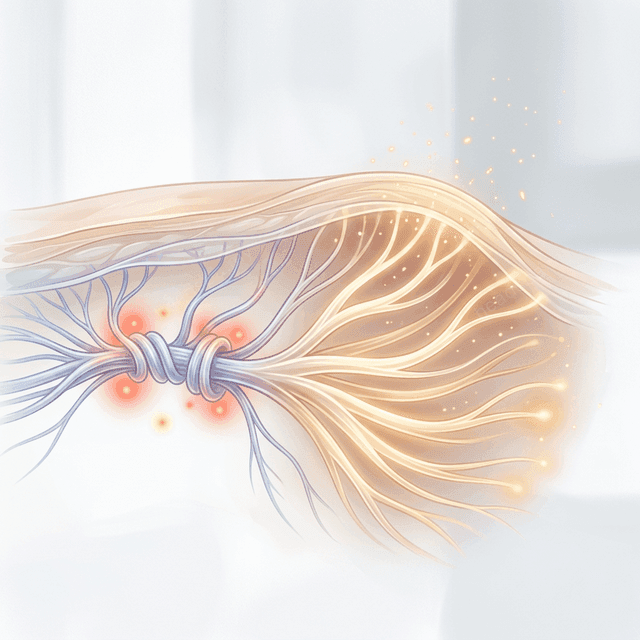
Stress-Related Hair Loss (Telogen Effluvium): A Malaysian Guide
By: Peng Yu Yan
Telogen effluvium is the second most common form of hair loss and occurs when physical or emotional stress pushes a large number of hair follicles into the resting (telogen) phase simultaneously. The result is diffuse shedding — often handfuls of hair in the shower — that begins 2–3 months after the triggering event.
Common triggers in Malaysia include work stress and burnout, COVID-19 illness or recovery, major surgery, crash diets, high fever, and bereavement. Many Malaysians experienced telogen effluvium in 2021–2022 following COVID-19 infections.
The good news: telogen effluvium is almost always temporary. Once the trigger is resolved, hair naturally returns to its growth cycle within 3–6 months. However, if the underlying stress is chronic, shedding can become ongoing.
How we help at TTE Headspa: Our stress relief scalp massage uses acupressure points and aromatic botanical oils to activate the parasympathetic nervous system, directly reducing cortisol levels that contribute to shedding. Combined with follicle-stimulating serums, the treatment helps reactivate dormant follicles and shorten the recovery period.
Frequently Asked Questions
How do I know if my hair loss is stress-related?
Stress-related hair loss is diffuse (all over the scalp, not patchy), begins 2–3 months after a stressful event, and often coincides with a period of high stress, illness, or significant life change.
Will my hair grow back after stress hair loss?
Yes, in almost all cases. Once the trigger is removed, hair returns to its normal growth cycle within 3–6 months. Full density is usually restored within 9–12 months.
Can work stress in Malaysia cause significant hair loss?
Yes. Chronic workplace stress is one of the leading triggers of telogen effluvium in Malaysia. High-pressure work environments combined with poor sleep and irregular meals create a perfect storm for hair loss.
What is the best treatment for stress-related hair loss?
Addressing the root cause (stress management, sleep, nutrition) is primary. Supportive treatments include scalp massage, minoxidil, and biotin supplementation. TTE Headspa stress relief treatments directly reduce scalp cortisol levels.
How many head spa sessions do I need for stress hair loss?
A minimum of 6 sessions spaced 1–2 weeks apart is recommended during the active shedding phase. Monthly maintenance sessions thereafter help prevent recurrence.
Related Articles