Your Baby Is Sleeping — But Why Are You Still Losing Hair?
By: Peng Yu Yan
Medically reviewed by: Zhang Xianya
It is 3am. Your baby has finally drifted off to sleep after what felt like hours of rocking, feeding, and gentle shushing. You collapse onto your pillow — and there it is again. A clump of hair on the pillowcase. Another handful comes away when you run your fingers through your hair. You are exhausted, emotional, and now worried about going bald on top of everything else.
Take a breath. You are not going bald. What you are experiencing is called telogen effluvium — the most common form of postpartum hair loss — and it affects up to 90% of new mothers in Malaysia. It is completely normal, temporary, and treatable.
During pregnancy, elevated oestrogen levels keep hair in its growth phase (anagen) for much longer than usual. This is why many women enjoy thicker, fuller hair during their second and third trimesters. After delivery, oestrogen drops sharply — sometimes within 24 hours — and all those hairs that were held in growth phase simultaneously enter the resting phase (telogen). Two to four months later, they shed.
But here is the part most articles do not tell you: sleep deprivation makes it worse. When you are not sleeping — and what new mother is? — your body produces more cortisol, the stress hormone. Elevated cortisol pushes even more follicles into the telogen phase prematurely. It is a double hit: hormonal shift plus chronic sleep deficit.
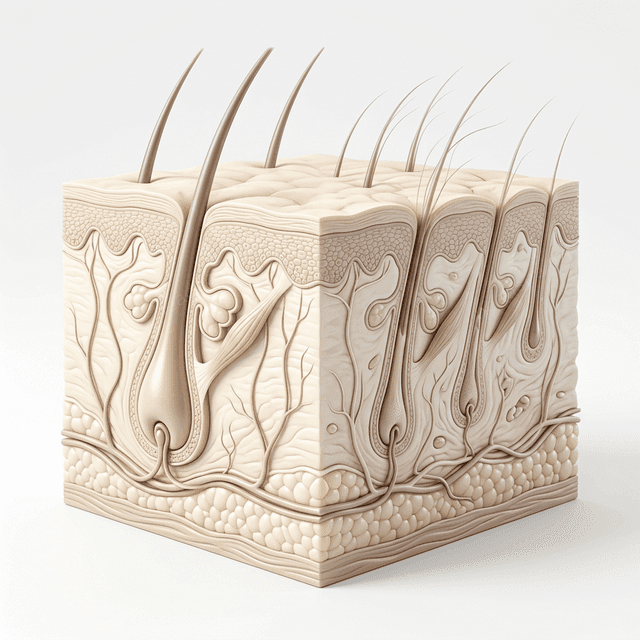
The biology is clear: cortisol suppresses the dermal papilla cells at the base of your hair follicles. These cells are the command centre for hair growth. When cortisol floods the follicle, it essentially tells the hair to stop growing and start shedding. Studies show that women with disrupted sleep patterns during the postpartum period shed 18–24% more hair than those with adequate rest.
What can you do? First, know that this is temporary. Most postpartum shedding peaks at 3–4 months after delivery and resolves by 9–12 months. Second, support your body: iron-rich foods (red meat, spinach, lentils), biotin (eggs, almonds), and vitamin D are essential for follicle recovery. Third, consider a professional scalp treatment — gentle scalp massage increases blood flow to the dermal papilla, delivering nutrients where they are needed most.
At TTE Headspa, our postpartum scalp recovery protocol is specifically designed for new mothers. We use botanical serums free from alcohol and harsh chemicals — completely safe while breastfeeding. The 60-minute session includes a warm oil infusion, gentle lymphatic drainage massage, and LED light therapy to stimulate follicle metabolism. Many mothers tell us it is the first hour of genuine rest they have had since giving birth.
You are doing an incredible job. Your hair will come back. And in the meantime, you deserve to feel cared for too.
Frequently Asked Questions
Is postpartum hair loss normal?
Yes. Telogen effluvium affects up to 90% of new mothers. It is caused by the sharp drop in oestrogen after delivery and typically peaks at 3–4 months postpartum.
Does sleep deprivation make postpartum hair loss worse?
Yes. Sleep deprivation raises cortisol levels which push more hair follicles into the shedding phase. Women with disrupted sleep shed 18–24% more hair than well-rested mothers.
When will my hair stop falling out after having a baby?
Most women see shedding peak at 3–4 months and resolve by 9–12 months postpartum. With proper nutrition and scalp care, recovery can be accelerated.
What vitamins help with postpartum hair loss?
Iron, biotin (vitamin B7), vitamin D, and zinc are the most important. Many postpartum women are iron-deficient — ask your doctor to check your ferritin levels.
Is head spa treatment safe for new mothers?
Yes. At TTE Headspa, our postpartum protocol uses botanical, alcohol-free serums that are safe during breastfeeding. No harsh chemicals are used.
Related Articles