If your scalp feels oily after a late-night football match, it is not your imagination. World Cup viewing changes the scalp environment in several ways at once: you stay awake longer, sweat more, wash later, eat later, sit in humid environments, and keep the nervous system activated when the body should be winding down.
In Malaysia, this is amplified by climate. A fan watching football at home with air-conditioning has one scalp environment. A fan watching at a mamak, crowded room, outdoor screen, or friend's house has another: heat, humidity, food vapour, smoke exposure, and sweat that sits longer on the scalp.
The greasy head feeling after late-night football usually comes from delayed cleansing, sebum oxidation, sweat residue, humidity, and stress arousal. A scalp detox helps when ordinary shampoo no longer clears the heavy, oily, itchy sensation.
The Match-Night Oil Chain
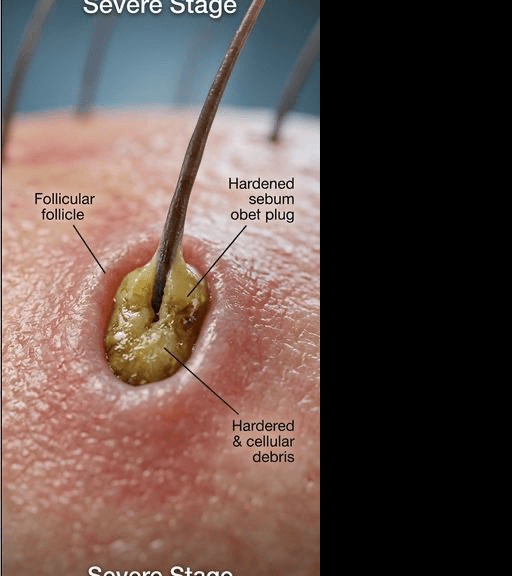
The scalp has sebaceous glands attached to hair follicles. Sebum is normal and protective. The problem begins when sebum stays on the scalp too long in a warm, humid, sweaty environment.
During World Cup season, this can happen easily.
- You shower before the match, then stay awake until 2am or later
- You sweat during the match because of excitement or heat
- You touch your hair and scalp more often
- You eat salty or oily food late at night
- You delay washing because you are tired
- You sleep with sweat and sebum still on the scalp
By morning, the scalp may feel greasy, sour, itchy, or coated. The hair near the roots may collapse. Some people describe it as a "heavy scalp".
Why Humidity Makes It Worse in Malaysia
Humidity slows sweat evaporation. When sweat does not evaporate cleanly, the scalp remains damp for longer. That dampness mixes with sebum, product residue, dust, smoke particles, and microbes.
This is why a fan in KL or JB may feel scalp buildup even after only one late match. The issue is not only oil production. It is oil retention.
If the scalp is already prone to dandruff, seborrheic dermatitis, scalp acne, or sensitivity, this match-night residue can make symptoms flare faster. Read Oily Scalp & Sebum Imbalance if your scalp often feels greasy again within hours after washing.
Why Stress Can Affect Oil and Itch
Football is emotional. Close matches, penalties, extra time, and VAR decisions keep the body alert. This sympathetic activation can increase sweating, muscle tension, and skin sensitivity.
Stress does not simply live in the mind. It affects the skin barrier, inflammatory signalling, and the way the body perceives itch and discomfort. If you already have an inflamed scalp, one late-match night can make the scalp feel more reactive.
That is why some people do not only wake up oily. They wake up itchy.
When Shampoo Is Not Enough
Home shampoo cleans the hair and surface scalp. But after repeated late nights, oil and residue can accumulate around the follicle opening. If you respond by scrubbing harder, you may irritate the scalp barrier and produce a cycle:
More oil feeling -> harsher washing -> barrier irritation -> more itch -> more washing -> more sensitivity.
This is where professional Scalp Detox makes sense. The goal is not to strip the scalp. The goal is to clear buildup while respecting the barrier.
Post-Match Scalp Detox Timing
Book scalp detox if:
- Your scalp smells oily the morning after a match
- Your roots collapse quickly
- Your dandruff seems worse during World Cup season
- You watched in a hot, smoky, crowded, or food-heavy environment
- Your scalp feels itchy but not necessarily dry
- Your usual shampoo no longer gives a clean feeling
If your main problem is not oil but poor sleep, headache, and heavy head sensation, combine this with Sleep Healing Headspa logic. Many football fans need both: scalp clearing and nervous-system downshifting.
At-Home Match-Night Rules
You do not need a complicated routine. Use a simple recovery plan:
- Drink water before and after the match.
- Avoid sleeping with styling wax, sweat, or smoke residue on the scalp.
- If the scalp is sweaty, rinse or cleanse gently before bed.
- Do not use nails or aggressive scrubs when the scalp is already itchy.
- Book scalp detox after repeated late nights, not after waiting for a flare.
KL and JB Context
For KL clients, oily scalp after late football often combines with traffic fatigue, air-conditioning shifts, office stress, and urban humidity. For JB clients, it may combine with commute timing, helmet heat, Singapore work rhythm, and weekend viewing.
Both patterns point to the same biological problem: the scalp environment has carried too much heat, oil, sweat, and stress for too long.
Independent Football Season Note
This article discusses football viewing as a lifestyle trigger. It does not imply endorsement by FIFA, World Cup organisers, teams, players, broadcasters, or sponsors. TTE Elephant is not affiliated with any football tournament body.
The Bottom Line
Oily scalp after late-night football is not vanity. It is scalp biology under timing stress. The scalp is warm, damp, oily, and uncleansed for longer than usual while the nervous system stays activated.
The solution is not punishment. It is reset: cleanse the follicle environment, calm the scalp, and return the body to recovery rhythm.
Q: Why is my scalp oily after watching football late at night? A: Late washing, sweat, humidity, sebum oxidation, food environments, and stress sweating can combine to make the scalp feel greasy and heavy the next morning.
Q: Should I wash my hair after every late World Cup match? A: If the scalp is sweaty, oily, smoky, or exposed to food environments, gentle cleansing is better than sleeping with residue on the scalp.
Q: Is scalp detox good after football watch parties? A: Yes, especially if you notice odour, itch, oily roots, flakes, or a coated scalp feeling after repeated late-night matches.