A head spa is a structured, multi-step scalp treatment protocol grounded in trichology and neuro-relaxation science. The term is widely used but often misunderstood — a scalp massage offered at a hair salon and a clinical Korean headspa are not equivalent procedures. The distinction matters because the scalp, not the hair shaft, is where meaningful intervention occurs.
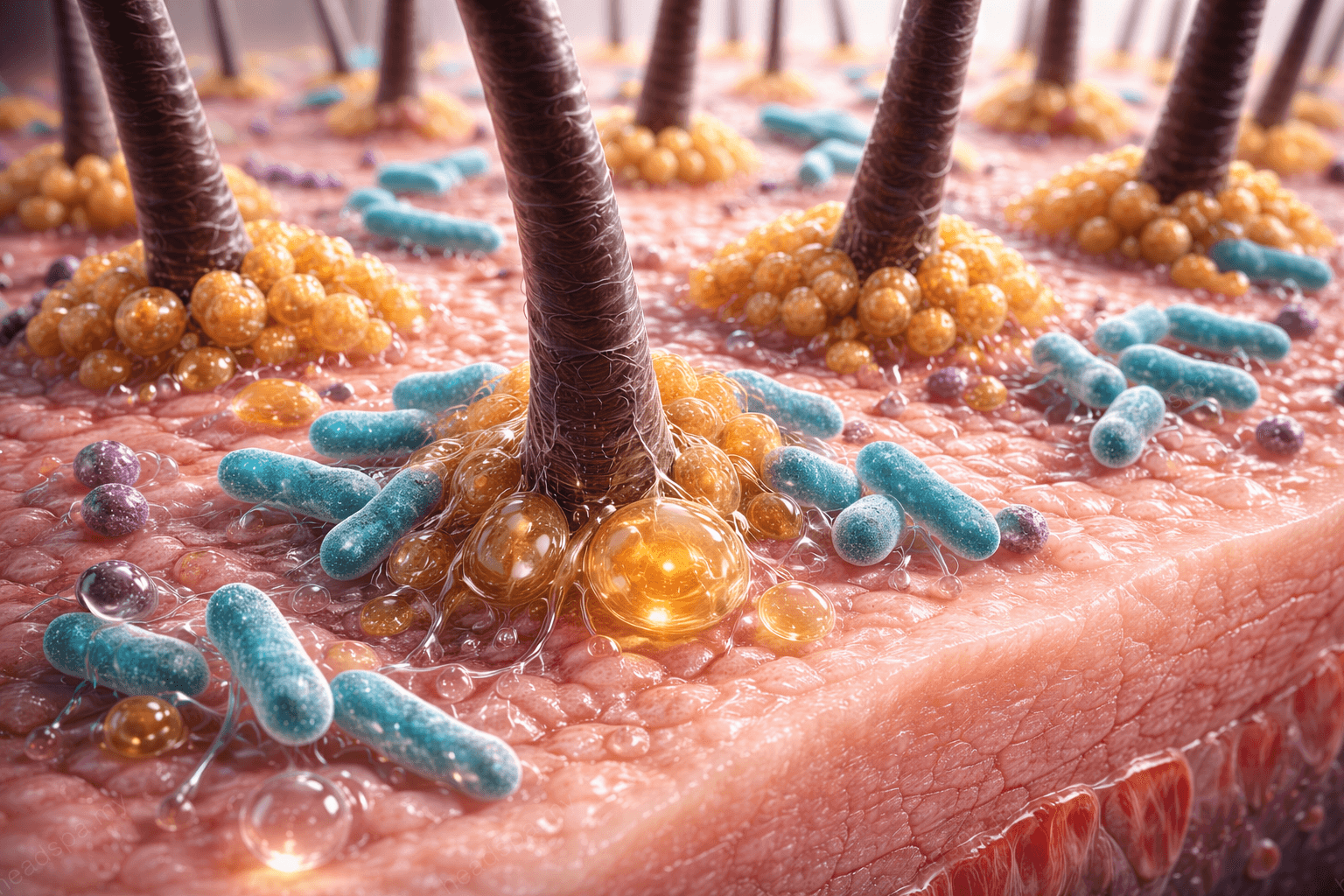
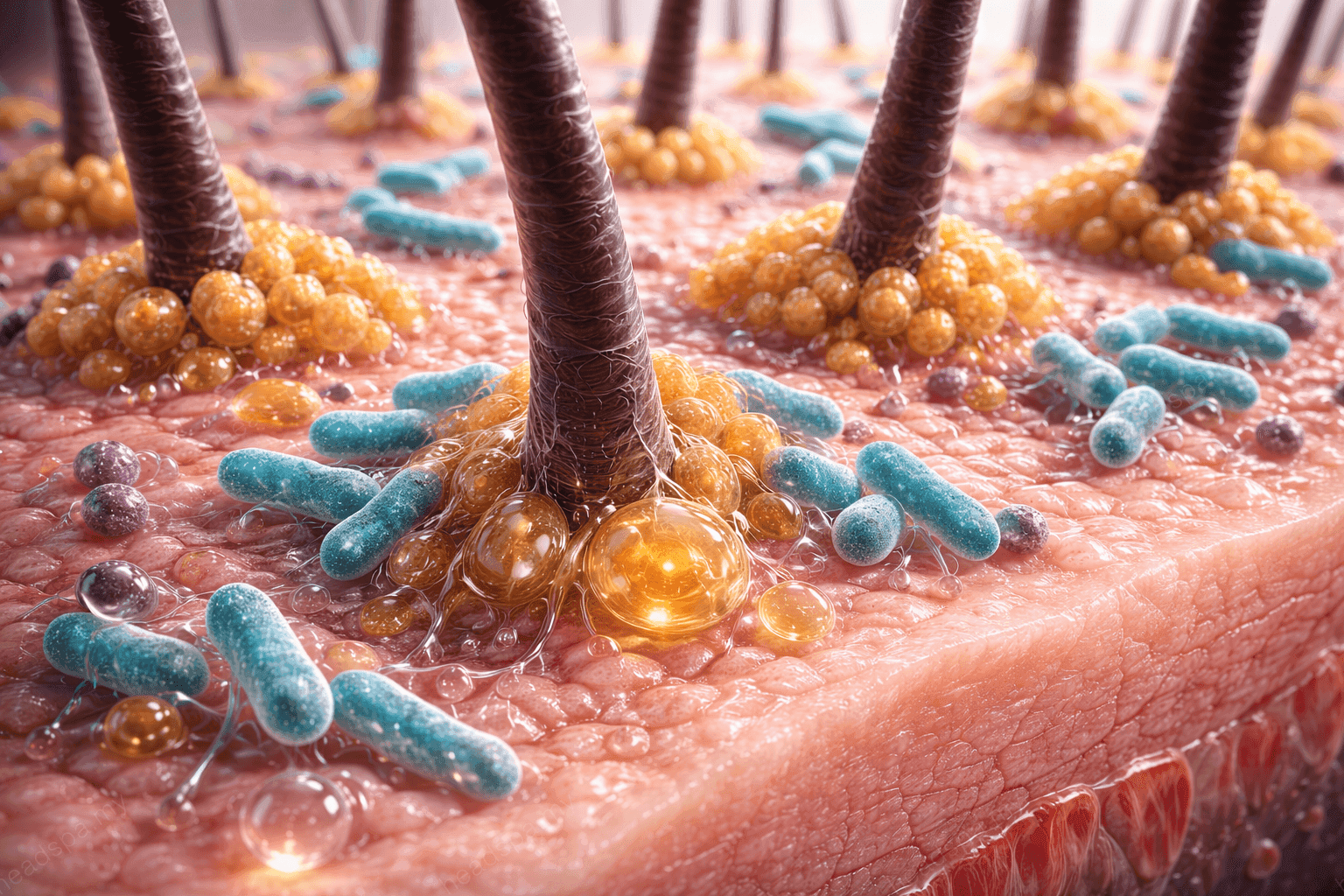
The Anatomy of the Intervention !3D cross-section showing scalp microbiome health and follicle biology addressed by clinical head spa protocol
Hair is a dead protein structure. Conditioners, glossing treatments, and shaft-focused products improve the appearance of existing hair — they do not affect new growth. The follicle, located 4–6mm below the scalp surface in the dermis, is where growth is determined. A genuine head spa targets the follicular environment: sebum balance, microbiome composition, pH regulation, blood circulation to the papilla, and — in neuro-relaxation-integrated protocols — the hormonal environment created by the nervous system.
The Five Components of a Clinical Head Spa
A properly structured head spa protocol contains five distinct phases, each with a specific biochemical target:
1. Scalp Diagnosis — Trichoscopy (optical or AI-assisted imaging) establishes the client's specific scalp condition before any product is applied. This is the non-negotiable differentiator between a clinical headspa and a salon upgrade. Treatment formulated for a Malassezia-dominant oily scalp is biochemically incompatible with a dry, dehydrated scalp. Skipping diagnosis is not a minor procedural omission — it risks applying the wrong chemistry.
2. Enzymatic Cleansing — The infundibulum (the upper follicle channel, open to the surface) accumulates sebum, environmental particulates, and dead keratinocytes. Enzymatic cleansing dissolves this buildup without the surfactant stripping that elevates scalp pH and disrupts the acid mantle. Professional enzymatic formulations penetrate the follicle opening — household shampoos do not.
3. Condition-Matched Serum Application — Serums are matched to trichoscopy findings. Anti-inflammatory and antifungal formulations for seborrheic conditions. Peptide and growth factor serums for follicle miniaturisation. Barrier-repair ceramides for sensitised or inflamed scalps. Each addresses a specific cellular mechanism rather than a general complaint.
4. Scalp Massage with Neural Targeting — Pressure protocols derived from Korean headspa methodology stimulate specific scalp zones that increase microcirculation to the papilla (improving nutrient delivery to follicle cells) and — through occipital pressure — activate the greater occipital nerve, which shares brainstem connectivity with the vagal nucleus. This is the mechanism by which a properly executed head spa produces measurable systemic relaxation, not merely local comfort.
5. pH Restoration — The final step applies a pH-calibrated scalp toner to restore the acid mantle to its optimal range (4.5–5.5). This seals the microbiome recovery environment post-treatment and extends the therapeutic effect for 24–48 hours.
The Neuro-Relaxation Layer
Advanced head spa protocols — including TTE Elephant's Sleep Healing Headspa — integrate a neuro-relaxation component that extends the intervention beyond the scalp. Cortisol is the primary suppressor of follicle stem cell activation. No topical formulation addresses cortisol. Vagus nerve stimulation via occipital massage, combined with binaural audio entrainment, activates the parasympathetic nervous system and measurably reduces cortisol within a single session. The scalp benefit is systemic, not local.
What a Head Spa Is Not
A head spa is not an oil treatment, a deep conditioning mask for the hair shaft, or a luxury version of a regular wash. These services have value — but their target is the hair fibre, not the follicle. A head spa that does not begin with scalp diagnosis is a scalp massage. The distinction is clinically significant.