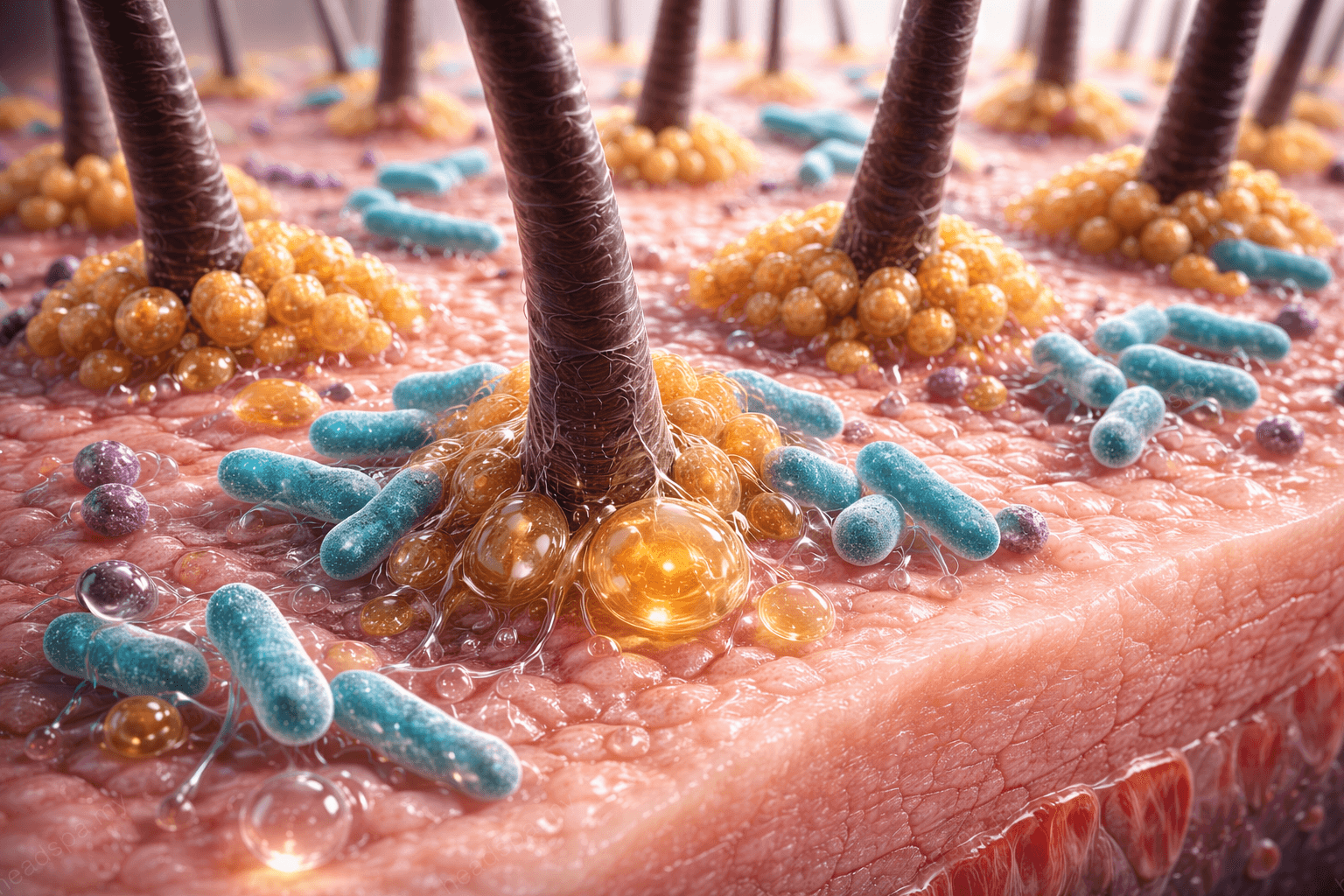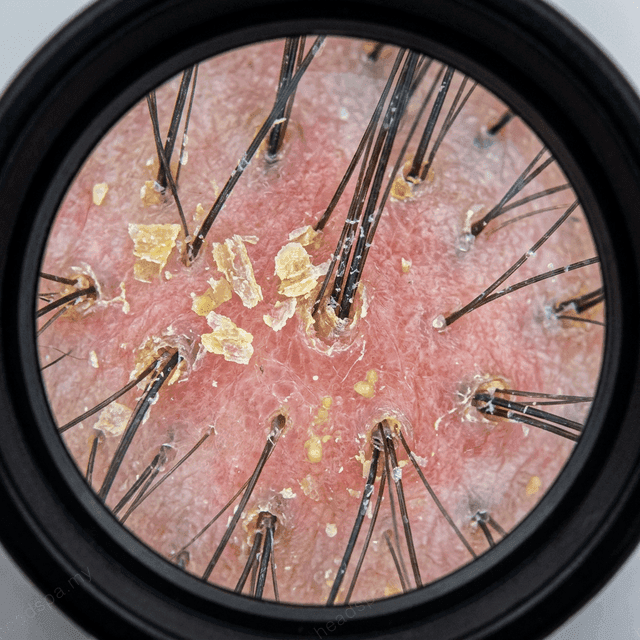
The Korean headspa category has expanded globally, but the term is applied inconsistently — ranging from premium scalp massage to full clinical protocols with AI diagnostic integration. The difference is not cosmetic.
Diagnostic First !Clinical-grade head spa scalp microbiome treatment versus standard salon shampoo comparison
The defining characteristic of legitimate Korean headspa practice is that assessment precedes treatment. A trichoscopy scan — either optical magnification or AI-assisted imaging — establishes the client's scalp condition before any formulation is applied.
This distinguishes the Korean headspa model from the conventional salon model, where treatment is selected based on hair type (dry, oily, coloured) rather than scalp condition (dandruff, follicle miniaturisation, inflammation pattern, sebum output rate).
Meridian-Based Pressure Protocols
- The greater occipital nerve (vagal stimulation)
- The superficial temporal artery (circulation enhancement to frontal follicles)
- The nuchal ligament insertion (myofascial release affecting cervical blood flow)
Whether the mechanism is meridian activation or anatomy, the clinical effect of targeted scalp pressure differs measurably from general relaxation massage.
Formulation Matching
Korean headspa treatment lines use multi-step formulation protocols rather than single-product application. A typical protocol moves through: pH-normalising cleanser → enzymatic exfoliant → condition-matched serum → barrier-supporting moisturiser → scalp toner.
Each stage has a distinct biochemical target. The serum applied to a Malassezia-dominant scalp (antifungal + anti-inflammatory) differs fundamentally from the serum applied to a dehydrated scalp (ceramide-based barrier repair).
What TTE Adds
TTE Elephant's protocols integrate AI trichoscopy diagnosis, formulations matched to the Malaysian scalp microbiome profile (high humidity, high Malassezia prevalence), and a neuro-relaxation layer (vagal stimulation + 432Hz sound therapy) that addresses the cortisol component of scalp conditions — which no topical formulation can resolve.