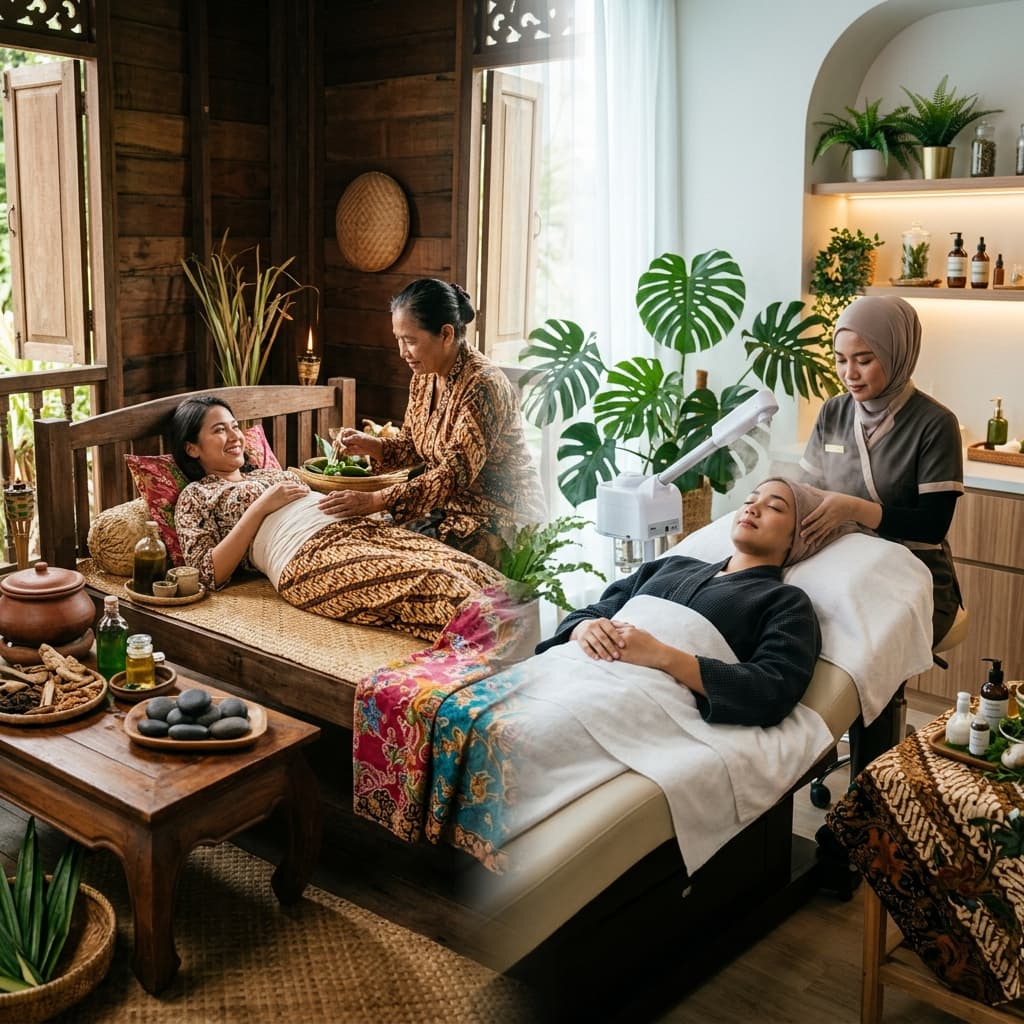
Almost every Malaysian new mother faces the same conflict: the traditional pantang prohibition on washing hair versus the modern medical advice to maintain scalp hygiene. The doctor says it's fine to shampoo after delivery. Google says something different. Your mother-in-law says something else entirely.
Understanding Pantang: Good Intentions, Complex Reality
The postpartum confinement period — 30 to 44 days of intensive care — is not mere superstition. It's a healthcare system developed over centuries, built on a sound principle: a new mother's body needs rest, warmth, and care.
For Malay families, pantang includes warming foods (ginger, black pepper, fenugreek), bengkung abdominal binding, traditional massage (*urut Melayu*), and avoiding cold air and water.
For Chinese families, *zuò yuèzi* (坐月子) emphasises herbal soups, minimal cold exposure, and avoiding hair washing to prevent "wind entering the head."
Both traditions converge on one goal: protecting a vulnerable body during recovery.
The Science Problem with Avoiding Hair Washing
When we evaluate the no-washing practice through a modern clinical lens, issues emerge. After 30–44 days without washing, the scalp accumulates: sebum (natural oils), dead skin cells, sweat residue, and product buildup. This environment raises scalp pH, promotes Malassezia yeast overgrowth, and — critically — can block hair follicles during the exact period when they need maximum circulation for postpartum recovery.
The Middle Path: What a Head Spa Offers
TTE Headspa's postpartum protocol is designed specifically for this cultural context. We use warming botanical oils (ginger, sesame, black seed) that respect the pantang principle of heat-based recovery. Our scalp massage follows traditional pressure-point principles adapted from *urut Melayu*. And critically, everything is safe during breastfeeding.
You don't have to choose between your culture and your scalp health. The best postpartum care honours both.