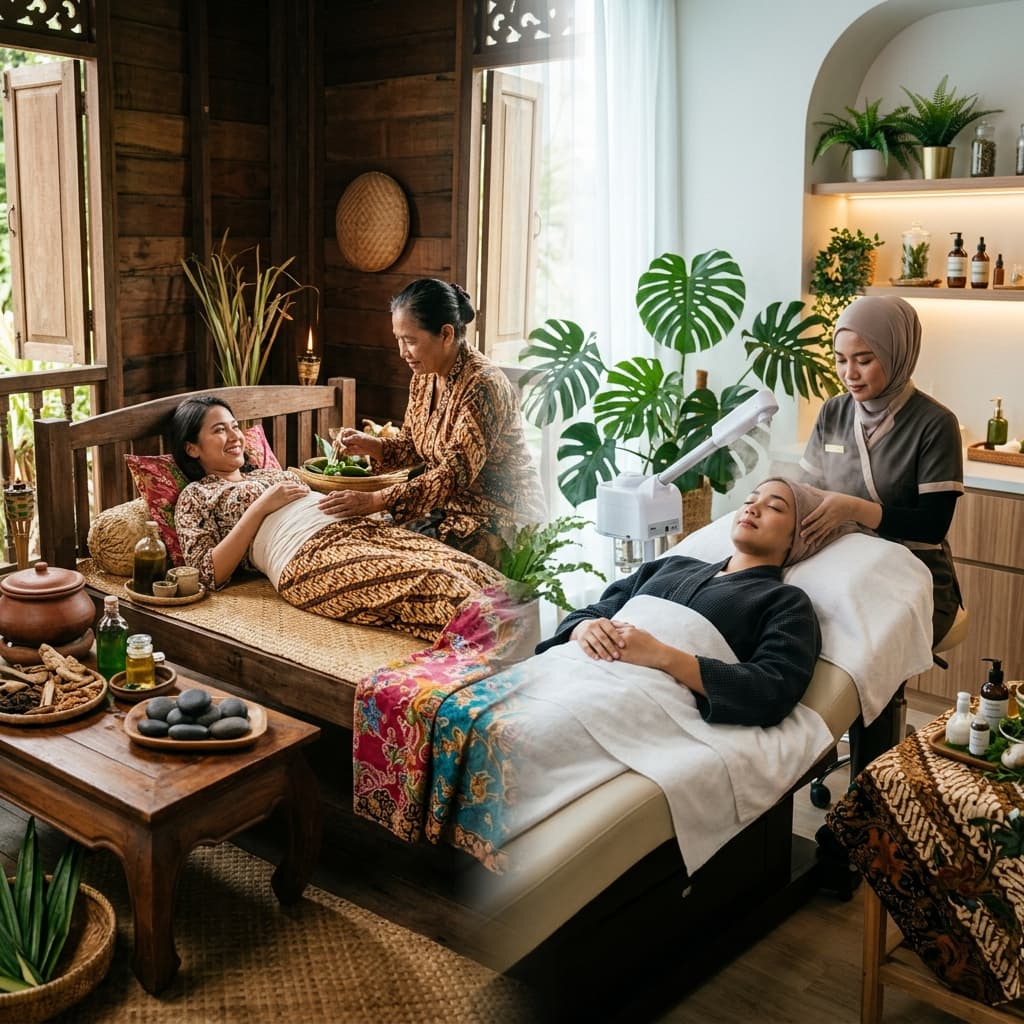
International Self-Care Day falls on 24 July, marking the end of Self-Care Month from 24 June to 24 July. In Malaysia, the most useful way to understand self-care is not indulgence. It is a repeatable ritual that protects your scalp biology, calms the nervous system, and prevents stress from becoming visible in your hair and skin.
For many women in KL and JB, self-care fails because it is treated as an emergency response. You wait until the scalp itches, hair falls, sleep collapses, or your face looks tired. A better approach is biological maintenance: regular restoration before the system becomes inflamed.
What Self-Care Means for the Scalp
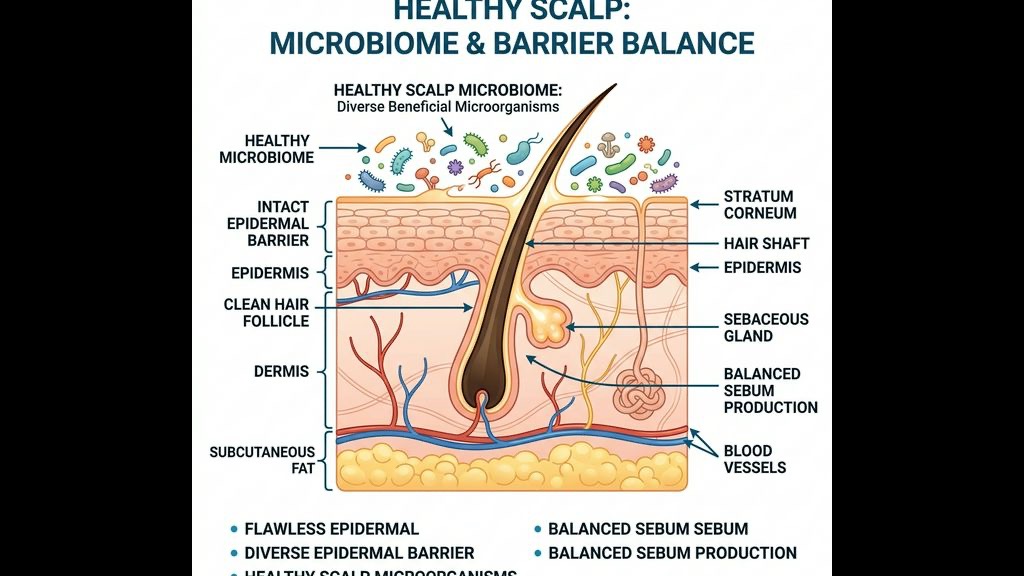
Your scalp is not just hair-bearing skin. It is a living barrier with sebaceous glands, sweat glands, immune cells, nerves, blood vessels, and a microbiome. When it is stable, the scalp feels clean without tightness, produces sebum in balance, and supports follicles with oxygen and nutrients.
Malaysia makes that balance harder. Heat increases sweat. Humidity slows evaporation. Air-conditioning dries the epidermal barrier. Hard water and frequent washing can shift scalp pH. When these triggers repeat daily, the scalp can move from healthy maintenance into low-grade inflammation.
That is why self-care for the scalp should not mean buying more products. It should mean knowing when the scalp needs cleansing, barrier repair, circulation, and nervous-system downshifting.
The Hidden Cost of Product Overload
Many women respond to stress with more products: stronger shampoo, scalp tonic, dry shampoo, hair perfume, oil, mask, exfoliant, serum. Each item may have a purpose, but together they can overload the scalp.
Product overload creates three problems:
- Residue buildup around the follicle opening
- Barrier irritation from repeated active ingredients
- False freshness where fragrance masks oil, sweat, and oxidised sebum
A clinical self-care routine is quieter. Cleanse properly. Repair the barrier. Stimulate circulation. Calm the nervous system. Then use fewer products with more precision.
Why Head Spa Fits International Self-Care Day
A head spa is more than a wash because it treats the scalp as a biological surface and the head as a nervous-system zone. The strongest protocols combine:
- Scalp diagnosis to identify oil, flakes, inflammation, miniaturisation, or buildup
- Deep cleansing to remove follicular congestion without stripping the acid mantle
- Botanical hydration to restore barrier comfort
- Rhythmic scalp work to reduce muscular tension across the forehead, temples, occipital ridge, and neck
- Sensory quiet to help the body exit sympathetic stress mode
This is why International Self-Care Day is a strong moment to book a head spa. It gives you a reason to move from reactive beauty care into structured biological maintenance.
The 24/7 Self-Care Principle
The date 24 July is often framed as a reminder that self-care should be available 24 hours a day, 7 days a week. That does not mean doing a spa treatment every day. It means building a rhythm where daily habits and professional resets support each other.
Daily self-care:
- Dry the scalp fully before tying or covering hair
- Avoid scratching with nails
- Use pH-balanced cleansing instead of aggressive stripping
- Keep tight hairstyles and tension styles occasional
- Protect sleep as a scalp recovery tool
Monthly or quarterly self-care:
- Use AI scalp analysis when symptoms keep returning
- Book scalp detox when oil, odour, flakes, or buildup become persistent
- Choose Sleep Healing Headspa when stress, sleep debt, and head tension are the main pattern
Who Should Book This in July
This July self-care reset is especially relevant if you are:
- A KL professional with scalp itch after air-conditioning
- A JB or Singapore commuter carrying neck and head tension
- A hijabi experiencing heat, oil, or scalp odour after long covered-hair days
- A mother recovering from sleep debt and hormonal shedding
- A woman in her late 30s or 40s noticing dryness, thinning, or scalp sensitivity
If your symptoms are mostly oil, flakes, or odour, start with detox. If your symptoms are hair fall and thinning, start with scalp analysis. If the pattern is stress, migraine tension, poor sleep, or mental fatigue, start with neuro-relaxation.
The TTE Elephant Approach
At TTE Elephant, self-care is not framed as escape. It is a biological reset. The goal is to restore the scalp environment while guiding the nervous system into a quieter state.
That is the difference between a generic salon wash and a clinically-focused head spa. One makes the hair feel fresh for a day. The other asks why the scalp keeps becoming uncomfortable in the first place.
For International Self-Care Day in Malaysia, the right question is not "Do I deserve a treat?" The better question is: what part of my body has been quietly carrying too much?
Q: Is head spa considered self-care or treatment? A: It can be both. A head spa is self-care when used as regular maintenance, and treatment support when it targets specific scalp symptoms such as oil buildup, flakes, itch, tension, poor sleep, or hair fall patterns.
Q: How often should I book a head spa for self-care? A: For maintenance, many clients benefit from a monthly or six-weekly rhythm. If you have active symptoms such as dandruff, scalp odour, hair fall, or inflammation, start with scalp analysis so the cadence is guided by your condition.
Q: Is a head spa better than buying more scalp products? A: If your scalp is congested or inflamed, adding more products can worsen residue and irritation. A professional head spa clears buildup, assesses the scalp, and helps you choose fewer products more accurately.
Q: Which TTE Elephant service should I choose for Self-Care Day? A: Choose scalp detox for oil, flakes, and buildup; AI scalp analysis for hair fall or thinning; and Sleep Healing Headspa for stress, head tension, poor sleep, and nervous-system fatigue.