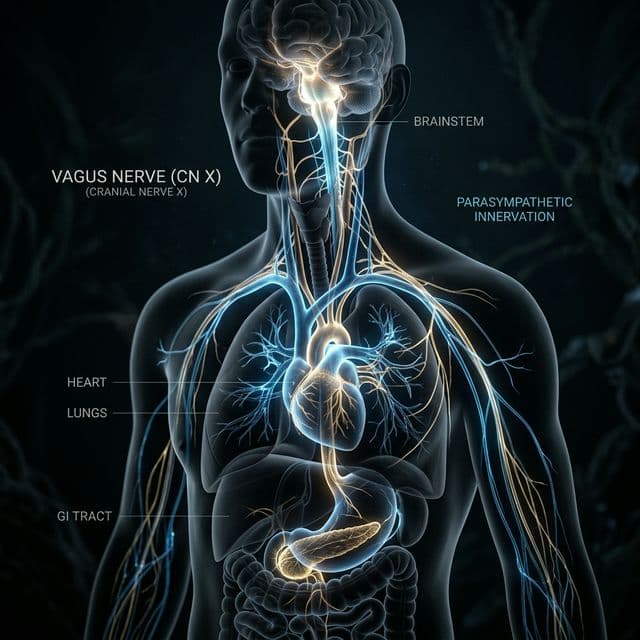
World Brain Day is observed on 22 July. For Malaysian women, it is a useful moment to connect what often gets separated: stress, sleep, migraine tension, hair fall, and scalp inflammation.
The scalp is not separate from the brain. It is densely innervated, vascular, immune-active, and responsive to stress chemistry. When your nervous system stays in high-alert mode, the scalp often shows it through itch, tenderness, oil imbalance, shedding, tension headaches, or poor recovery.
The Brain-Scalp Axis
Stress begins in the brain but does not stay there. The hypothalamic-pituitary-adrenal axis releases stress mediators that affect the skin, immune system, blood vessels, and hair follicles. Cortisol and related signals can push more follicles toward the resting phase, increase inflammatory tone, and make the scalp more reactive.
This is why hair fall often appears months after a stressful period. The emotional event has passed, but the follicle cycle is delayed. The scalp is working on biological time, not calendar time.
Why Poor Sleep Shows Up on the Scalp
Deep sleep is when the body performs much of its repair work. When sleep is fragmented, the scalp loses recovery time. Cortisol rhythm becomes flatter, inflammatory markers rise, and tissue repair becomes less efficient.
In practical terms, poor sleep can make the scalp feel:
- More tender
- More oily by evening
- More reactive to shampoo
- More prone to itch
- Slower to recover from shedding episodes
If your scalp symptoms worsen during deadline weeks, childcare sleep debt, night shifts, or heavy commuting periods, the cause may not be only dermatological. It may be neurobiological.
Migraine, Head Tension and the Scalp
Many clients describe scalp pain as "my hair roots hurt" or "my head feels tight." This can happen when the temporalis, frontalis, occipital, and neck muscles remain activated for too long.
Screen work, clenching, long drives, poor posture, and emotional stress can all keep the head-neck system in contraction. Over time, this affects local blood flow and increases scalp sensitivity.
This does not mean every headache is solved by head spa. Severe, sudden, recurring, or neurological symptoms should be medically assessed. But for stress-linked tension patterns, scalp and neck work can be part of a recovery plan because it addresses the physical tissues that hold nervous-system load.
What Neuro-Relaxation Head Spa Actually Targets
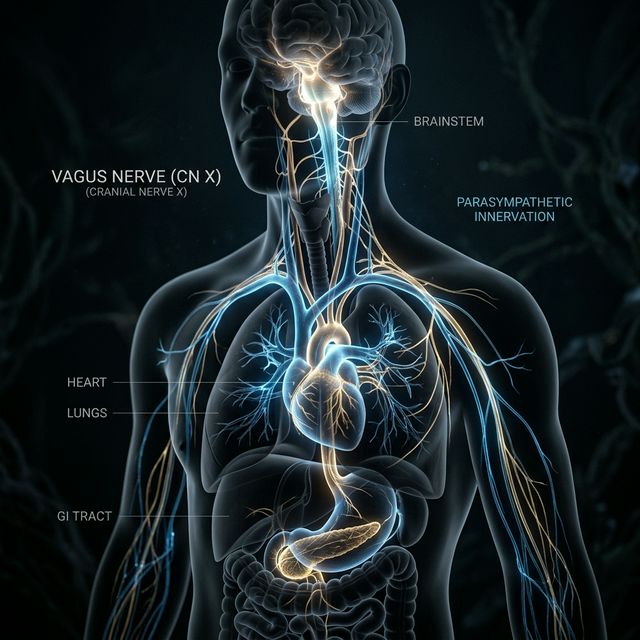
A neuro-relaxation head spa is designed to move the body away from sympathetic stress and toward parasympathetic recovery. It does this through:
- Slow rhythmic pressure
- Occipital and temporal release
- Sensory quiet
- Warm water and controlled touch
- Scalp circulation work
- Reduced visual and auditory load
The goal is not simply relaxation. The goal is to create the conditions where the body can recover: slower breathing, lower muscular guarding, calmer scalp sensation, and improved sleep readiness.
Why This Matters in KL and JB
Kuala Lumpur and Johor Bahru create different but overlapping stress patterns.
KL clients often report corporate pressure, traffic, air-conditioning shock, late-night screen work, and stress-related hair fall.
JB clients often report Singapore commute fatigue, checkpoint stress, helmet heat, and the feeling that their nervous system never fully rests even after reaching home.
Both patterns can produce the same scalp outcome: inflammation, oil imbalance, itch, poor sleep, and shedding.
When to Choose Sleep Healing Headspa
Consider Sleep Healing Headspa if your main concerns are:
- Stress-linked hair fall
- Tension headaches
- Neck and scalp tightness
- Poor sleep or light sleep
- Jaw clenching and temple pressure
- Migraine-adjacent discomfort after screen work
- Burnout that shows up as scalp sensitivity
If hair fall is already visible, pair the session with AI scalp analysis. If the scalp is oily, congested, or flaky, add scalp detox so the biological surface is addressed alongside the nervous system.
World Brain Day Takeaway
World Brain Day should not be reduced to abstract brain health. For many women, brain health is experienced through ordinary signs: sleep quality, scalp comfort, headache frequency, hair shedding, and the ability to feel rested.
At TTE Elephant, this is why we frame head spa as the Science of Serenity. The scalp is the surface. The nervous system is the deeper conversation.
Q: Can stress really cause hair fall? A: Yes. Chronic stress can shift follicles toward the resting phase and trigger telogen effluvium, where shedding appears weeks or months after the stressful period.
Q: Can head spa cure migraine? A: No. Migraine is a neurological condition and persistent symptoms should be assessed medically. A neuro-relaxation head spa can support tension reduction, scalp comfort, sleep readiness, and stress recovery for suitable clients.
Q: Why does my scalp feel sore when I am stressed? A: Stress can increase muscular tension, inflammatory signalling, and nerve sensitivity. The scalp has dense nerve supply, so tension and stress chemistry can be felt as tenderness or root pain.
Q: Which TTE Elephant treatment is best for World Brain Day? A: Choose Sleep Healing Headspa for stress, sleep, and head tension; AI scalp analysis if hair fall or thinning is present; and scalp detox if oil, flakes, or buildup are also active.