The Ultimate Guide to Scalp Health in Malaysia: Biology, Climate, and Clinical Treatment
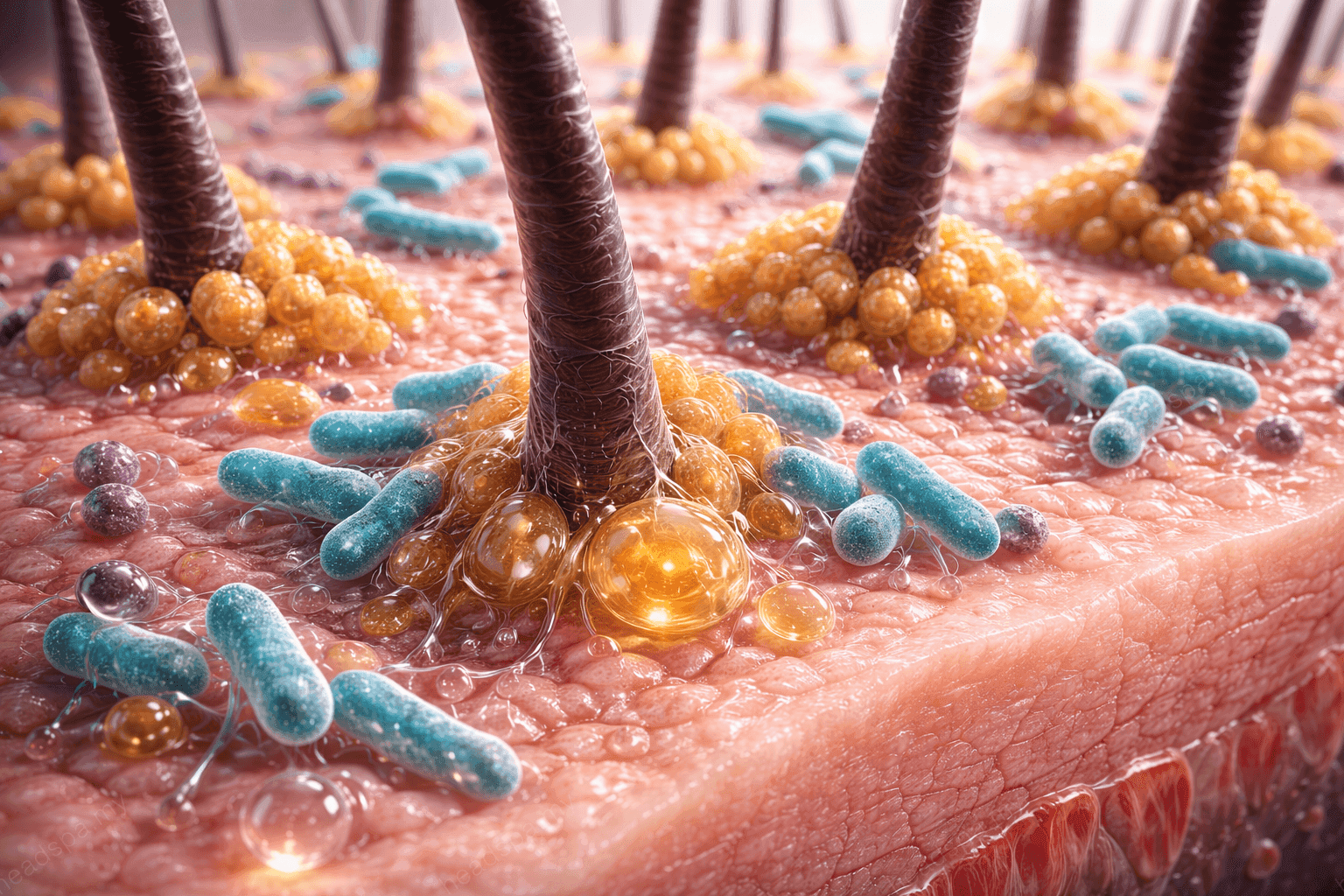
Scalp health in Malaysia is uniquely challenging because of three converging factors: perpetual tropical humidity that fuels Malassezia overgrowth, intense equatorial UV radiation that induces photo-oxidative sebum damage, and chronic urban stress that activates the cortisol-follicle suppression axis. Together, these create a scalp environment that does not behave like anything documented in temperate-climate dermatology literature. This guide synthesises current clinical evidence with Malaysia-specific epidemiological context — giving you a definitive, evidence-based framework for understanding, diagnosing, and treating scalp conditions at the biological level. Whether you are a first-time scalp health researcher or an experienced practitioner, this is the most comprehensive scalp health resource written specifically for the Malaysian context.
---
1. Scalp Anatomy 101
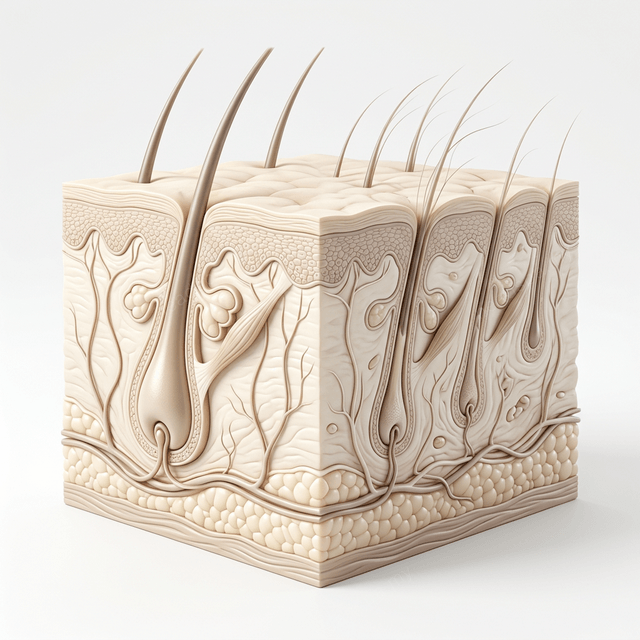
Before addressing climate and pathology, a precise understanding of scalp anatomy is essential. The scalp is not simply "the skin on your head." It is a highly specialised tissue with a follicular density, vascular network, and glandular output that is categorically different from the skin covering the rest of the body.
Follicle Architecture
Each hair follicle is a dynamic mini-organ cycling through growth (anagen), regression (catagen), and rest (telogen) phases continuously throughout life. The follicle is divided anatomically into three zones:
- Infundibulum: The uppermost segment, connecting the follicle to the skin surface. This is where sebum exits and where Malassezia colonisation is most concentrated.
- Isthmus: The mid-segment between the infundibulum and the bulge. The isthmus contains the attachment point of the arrector pili muscle and is highly sensitive to inflammatory mediators.
- Bulge: Located at the deepest portion of the permanent follicle, the bulge is the stem cell niche — housing multipotent keratinocyte stem cells (KSCs) that are essential for follicle regeneration after each cycle. Chronic inflammation, cortisol elevation, and UV damage all preferentially target this zone.
- Dermal Papilla: A mesenchymal cell cluster at the base of the follicle bulb during anagen. The dermal papilla regulates hair growth signalling via Wnt/β-catenin, IGF-1, and VEGF pathways. It is the primary target of scalp massage mechanotransduction.
Sebaceous Glands
The scalp contains sebaceous glands at a density 3–4× higher than body skin — approximately 400–900 glands per cm² versus 100 glands per cm² on the forearm. Each gland produces sebum: a complex lipid mixture of triglycerides (57%), wax esters (26%), squalene (12%), and cholesterol esters (3%). Sebum's primary role is barrier maintenance and antimicrobial defence. Its secondary role, in the context of Malassezia biology, is to serve as the primary substrate for pathogenic lipase activity.
Microvasculature
The subpapillary vascular plexus delivers oxygen, amino acids, and micronutrients directly to the dermal papilla. Reduced microvascular perfusion — caused by chronic stress, smoking, or scarring alopecia — starves the dermal papilla of IGF-1 and VEGF, shortening anagen duration. This is one mechanism by which scalp massage produces measurable improvement: increased local blood flow restores nutrient delivery to the dermal papilla.
Scalp vs Body Skin: Comparison Table
| Parameter | Scalp | Body Skin |
|---|---|---|
| Sebaceous gland density | 400–900/cm² | 100/cm² |
| Follicle density | 175–300/cm² | 17–85/cm² |
| Stratum corneum thickness | Thinner (high turnover) | Variable |
| Malassezia colonisation | High (lipid-rich) | Low to moderate |
| Microbiome complexity | High | Moderate |
| UV exposure (Malaysia) | Direct, daily | Mostly covered |
---
2. The Malaysian Climate Effect
Malaysia sits at 5°N latitude — within the equatorial band that receives near-perpendicular solar radiation 365 days a year. The scalp is one of the most UV-exposed surfaces of the human body in this geography. Combined with extreme ambient humidity and temperature, the Malaysian climate creates a uniquely hostile biological environment for scalp health.
Humidity: 70–85% RH and the Malassezia Growth Curve
Malassezia species are obligate lipophiles with optimal growth at 32–37°C and relative humidity above 70%. Malaysian cities — Kuala Lumpur averages 78–82% RH year-round, Johor Bahru sits at 80–84% — fall precisely within this growth window. At these humidity levels, Malassezia doubling time accelerates, and the total fungal load on the scalp surface increases significantly beyond the homeostatic threshold.
High humidity also impairs transepidermal water loss (TEWL). Under normal conditions, TEWL creates a mild desiccating gradient across the stratum corneum that discourages microbial overgrowth. When ambient humidity eliminates this gradient, the scalp surface remains persistently moist — a condition microbiologists describe as an open culture medium.
Temperature: Sebaceous Hyperactivity at 28–33°C
Sebaceous gland secretion rate is directly correlated with skin surface temperature. At a scalp surface temperature of 34–36°C — common in Malaysia's ambient conditions — sebum secretion rates are approximately 1.5–2× higher than in a temperate climate at 20°C. This excess lipid supply directly feeds Malassezia lipase activity, creating a self-reinforcing cycle: heat → excess sebum → Malassezia substrate → inflammation → immune-mediated itch → scratching → barrier disruption → further inflammation.
UV-B at the Equator: Photo-Oxidative Damage
UV-B radiation (280–315 nm) at 5°N latitude is consistently high, with UV Index values of 10–13 between 10am–3pm. UV-B does not merely cause sunburn — on the scalp it drives photo-oxidative squalene degradation. Squalene is a major sebum component; when oxidised, it generates reactive oxygen species (ROS) that damage the follicular epithelium, increase pro-inflammatory cytokine expression (IL-1α, TNF-α), and impair the acid mantle (normal scalp pH 4.5–5.5) toward alkalinity.
Seasonal Variation: Monsoon Microbiome Shifts
Malaysia's two monsoon seasons (November–March and May–September) bring periods of sustained rainfall and elevated cloud cover. Reduced UV-B during monsoon months temporarily decreases photo-oxidative load. However, post-rainfall humidity spikes above 90% RH accelerate Malassezia proliferation, often triggering monsoon dandruff in susceptible individuals. Haze episodes add a separate particulate load on top of humidity. See haze and your scalp for how API readings translate to scalp effects.
Air-Conditioning: Ceramide Barrier Disruption
The thermal cycling experienced by most urban Malaysians — transitioning multiple times daily between outdoor heat (32°C, 80% RH) and air-conditioned interiors (18–22°C, 40–50% RH) — imposes repeated hydration-dehydration cycles on the stratum corneum. This disrupts ceramide bilayer integrity, increasing scalp permeability to allergens and Malassezia metabolites.
Summary Table: Malaysian Climate Factors and Scalp Impact
| Climate Factor | Biological Effect | Scalp Consequence |
|---|---|---|
| Humidity 70–85% RH | Malassezia growth acceleration, TEWL impairment | Dandruff, seborrheic dermatitis flares |
| Temperature 28–33°C | Sebaceous hyperactivity | Excess sebum, follicular plugging |
| UV Index 10–13 | Squalene photo-oxidation, ROS generation | Acid mantle disruption, inflammation |
| Monsoon humidity spikes | Malassezia substrate expansion | Seasonal dandruff peaks |
| AC thermal cycling | Ceramide bilayer disruption | Increased scalp permeability, dryness |
---
3. The Scalp Microbiome
The human scalp hosts one of the most complex cutaneous microbiomes on the body — an estimated 1,000+ species of bacteria, fungi, and archaea in a dynamic equilibrium shaped by pH, sebum composition, temperature, and host immunity. In the Malaysian climate context, this equilibrium is consistently challenged.
Key Inhabitants
- Malassezia globosa and restricta: These two species collectively account for over 90% of scalp fungal load. M. globosa is the primary pathogen in dandruff; M. restricta dominates in seborrheic dermatitis. Both are lipase producers that cleave sebum triglycerides into irritating free fatty acids, particularly oleic acid.
- Cutibacterium acnes (formerly Propionibacterium acnes): A commensal bacterium that metabolises sebum glycerol to produce propionic acid, maintaining scalp pH around 4.5–5.5. At healthy densities it is protective; under dysbiosis conditions — antibiotic overuse, extreme sebum excess — it can contribute to folliculitis.
- Staphylococcus epidermidis: A key defender of skin homeostasis. It produces bacteriocins that inhibit pathogenic Staphylococcus aureus colonisation. Disruption of S. epidermidis populations — via harsh surfactant shampoos or antiseptic overuse — removes a critical layer of innate scalp defence.
The Malassezia-Dandruff Cascade
The pathogenic sequence is well-characterised: Malassezia secretes lipase enzymes → triglycerides in sebum are cleaved → oleic acid is released → oleic acid penetrates the stratum corneum → keratinocytes respond with accelerated desquamation (manifesting as flakes) → immune cells release IL-1β, IL-8, and TNF-α → mast cell degranulation → itch → scratching → barrier disruption → further Malassezia access. This is not a simple "too much fungus" problem; it is a cascading immune-inflammatory response triggered by a specific lipid metabolite.
Dysbiosis Triggers
Scalp microbiome dysbiosis — a shift away from homeostatic balance toward pathogen dominance — can be triggered by: prolonged antibiotic use (eliminates protective bacteria, enables fungal overgrowth); elevated cortisol (increases sebum production, directly suppresses innate immune activity); product residue accumulation (surfactant buildup raises scalp pH, favouring alkaline-tolerant pathogens); and, critically in Malaysia, chronic humidity that continuously provides the moisture environment in which Malassezia thrives.
How KL's Climate Selects for Malassezia-Dominant Microbiomes
Microbial ecology follows selection pressure. In KL's ambient conditions — persistent warmth, high humidity, and abundant lipid substrate from hyperactive sebaceous glands — Malassezia species have a consistent competitive advantage. Non-lipophilic bacteria that might limit Malassezia dominance in temperate climates cannot maintain the same population density in KL's environment. The net effect is a structurally Malassezia-biased scalp microbiome that is difficult to rebalance without active intervention.
---
4. The Stress-Scalp Axis
The relationship between psychological stress and scalp health is not metaphorical — it is mechanistic. A well-defined neuroendocrine pathway links cortisol to follicle biology, and the urban stress load of KL creates a chronic activation of this pathway that has measurable consequences for scalp health and hair retention.
The HPA Axis: CRH → ACTH → Cortisol
When the brain perceives a threat — whether a traffic jam, a deadline, or chronic financial pressure — the hypothalamus releases corticotropin-releasing hormone (CRH). CRH signals the anterior pituitary to release adrenocorticotropic hormone (ACTH), which in turn stimulates the adrenal cortex to produce cortisol. This HPA axis activation is adaptive for acute stress, but in chronic stress conditions, cortisol remains elevated — with measurable consequences for every tissue in the body, including the scalp.
Cortisol's Direct Effect on Hair Follicles
The hair follicle is a direct cortisol target organ. Follicle keratinocytes and dermal papilla cells express glucocorticoid receptors. When cortisol binds these receptors, it suppresses the Wnt/β-catenin signalling pathway — a master regulator of follicle stem cell activation and anagen initiation. Chronic cortisol elevation functionally locks follicle stem cells in a quiescent state, accelerating premature entry into telogen (the resting phase) and shortening the anagen (active growth) duration. This is the primary mechanism of stress-induced telogen effluvium.
Neurogenic Inflammation: Substance P and Mast Cells
Beyond the endocrine pathway, the scalp's dense sensory innervation provides a direct neurogenic stress channel. Under psychological stress, peripheral nerve fibres release neuropeptide substance P directly into the perifollicular space. Substance P triggers mast cell degranulation, releasing histamine, proteases, and pro-inflammatory cytokines that damage the follicular microenvironment without any involvement of the immune system's adaptive branch. This explains why scalp itch and sensitivity often precede visible dandruff or hair loss during acute stress periods.
KL-Specific Stressors
Kuala Lumpur consistently ranks among Southeast Asia's most traffic-congested cities. Studies on traffic-related cortisol elevation show that commuters in heavy traffic experience cortisol spikes of 20–40% above baseline — a significant chronic activation of the HPA axis for the millions of Malaysians who commute daily. Combined with work hour statistics showing Malaysian workers logging some of the longest hours in Southeast Asia, the average KL professional operates under sustained HPA activation for extended portions of each day. The scalp absorbs the biological cost of this stress load silently — until the accumulated follicle damage manifests as visible hair thinning 2–3 months after the peak stress period, a characteristic latency of telogen effluvium.
---
5. Diagnosing Scalp Problems: The Trichoscopy Standard
Accurate diagnosis is the non-negotiable prerequisite to effective scalp treatment. The most common error in scalp care — across both consumer self-treatment and clinical practice — is treating symptoms without characterising the underlying pathology. A zinc pyrithione shampoo applied to androgenetic alopecia will have no efficacy. Minoxidil applied to active folliculitis may worsen inflammation. Diagnosis is not a luxury; it is the entry requirement for rational treatment.
What Trichoscopy Measures
Trichoscopy is dermoscopic examination of the scalp and hair, performed with a handheld or digital dermatoscope at 20–70× magnification. It can assess:
- Follicle density: Identifies miniaturisation patterns characteristic of androgenetic alopecia (AGA).
- Sebum score: Quantifies perifollicular sebum accumulation, correlating with Malassezia substrate availability.
- Inflammation markers: Perifollicular redness, scaling patterns, and vascular changes indicate active inflammatory pathology.
- Hair shaft diameter: Reduced shaft diameter across the frontoparietal region is the hallmark diagnostic sign of AGA.
- Empty follicle units: Telogen effluvium leaves follicle units with reduced or absent hair shafts — detectable under trichoscopy before visible thinning occurs.
Visual Inspection vs Trichoscopy
| Parameter | Visual Inspection | Trichoscopy |
|---|---|---|
| Follicle density | Estimated only | Precisely quantifiable |
| Shaft diameter variability | Not detectable | High sensitivity |
| Early AGA | Missed | Detectable at stage 1 |
| Perifollicular inflammation | Limited | Clear identification |
| Sebum accumulation | Subjective | Graded quantitatively |
| Differentiate AGA vs TE | Unreliable | Reliable at 70× |
| Alopecia areata pattern | Sometimes visible | Exclamation mark hairs, yellow dots visible |
The 5 Core Diagnostic Categories
Trichoscopy enables clinical differentiation of the five most prevalent scalp conditions in Malaysia: telogen effluvium (diffuse shedding, reversible), androgenetic alopecia (patterned miniaturisation, progressive), alopecia areata (immune-mediated patchy loss), seborrheic dermatitis (Malassezia-driven inflammatory scaling), and folliculitis (bacterial infection of the follicle ostium). Each category has a distinct trichoscopic signature and a distinct treatment protocol — making diagnosis the determinant of all subsequent clinical decisions.
---
6. Common Scalp Conditions in Malaysia
The following conditions account for the vast majority of scalp complaints presenting in Malaysian clinical and spa settings. Prevalence estimates are informed by regional dermatology data and practitioner case volume.
| Condition | Est. Prevalence in Malaysia | Primary Trigger | Clinical Sign | Treatment Approach |
|---|---|---|---|---|
| Dandruff (pityriasis capitis) | ~50% of adults | Malassezia overgrowth | White/yellow flakes, mild itch | Antifungal actives (ketoconazole, zinc pyrithione) |
| Seborrheic Dermatitis | ~15–20% of adults | Malassezia + immune dysregulation | Greasy yellow scales, perinasal involvement | Professional-grade microbiome-balancing; scalp-calming actives |
| Telogen Effluvium | ~10–15%, post-stress/post-partum | Cortisol, nutritional depletion | Diffuse shedding, pull test positive | Stress management, nutritional repletion, scalp massage |
| Androgenetic Alopecia | ~30% men, ~15% women | DHT + genetic predisposition | Bitemporal recession, crown thinning | Minoxidil, DHT-blocking actives, PRP, LLLT |
| Hijab Scalp Syndrome | Significant in Muslim population | Occlusion microclimate, friction, humidity | Folliculitis, interface dermatitis, hair fragility | Breathable fabric; antifungal/antibacterial actives |
| Folliculitis | Common, underreported | Staphylococcus aureus, occlusion | Pustules at follicle ostia, pain | Topical/systemic antibiotics; correct underlying occlusion |
For detailed pathophysiology of individual conditions, see: dandruff and dry scalp, hair fall, and oily scalp and excess sebum.
Hijab Scalp Syndrome: A Malaysian-Specific Consideration
Hijab scalp syndrome is not widely documented in Western dermatology literature but represents a clinically significant condition in Malaysia, where the majority of female Muslim professionals wear hijab daily. The mechanism is the creation of an occluded microclimate: scalp surface temperature rises 1–2°C under fabric coverage, humidity at the scalp surface approaches 95–100% RH, and friction from fabric movement across the scalp induces mechanical micro-trauma to the stratum corneum. The combined effect is accelerated Malassezia proliferation, interface dermatitis at the scalp-fabric boundary, and increased follicle fragility. Treatment requires breathable fabric selection, scalp ventilation strategies, and targeted antifungal or antibacterial actives applied before covering.
---
7. Evidence-Based Treatment Protocols
Scalp treatment is a field with a substantial clinical evidence base that is frequently ignored in consumer product marketing. The following active ingredients and protocols have Level I or Level II clinical evidence supporting their efficacy.
Active Ingredients with Clinical Evidence
- Ketoconazole 2%: The most extensively studied antifungal for dandruff and seborrheic dermatitis. RCT data consistently shows 73–85% reduction in Malassezia load and symptom severity at 4 weeks with twice-weekly application. Mechanism: inhibits ergosterol synthesis in Malassezia cell membranes.
- Zinc Pyrithione 1–2%: Broad-spectrum antimicrobial with antifungal, antibacterial, and anti-seborrheic properties. Effective as a maintenance agent between ketoconazole cycles. Reduces Malassezia at the infundibulum and normalises keratinocyte turnover.
- Salicylic Acid 2%: A keratolytic beta-hydroxy acid that dissolves the corneodesmosomes holding scale aggregates together, enabling mechanical removal of accumulated sebum-scale plugs. Functions as a pre-treatment step to enhance penetration of antifungal actives.
- Minoxidil 2% (women) / 5% (men): The only topically applied hair loss treatment with FDA approval. Mechanism: vasodilatory action increases microvascular perfusion of the dermal papilla; may also directly upregulate Wnt signalling in follicle keratinocytes. Indicated for androgenetic alopecia and telogen effluvium.
Scalp Massage: Mechanotransduction Evidence
A landmark randomised study published in PLoS One (Liao et al., 2016) demonstrated that 4 minutes of standardised scalp massage daily for 24 weeks produced a measurable increase in hair shaft diameter and subjective hair fullness versus controls. The proposed mechanism is mechanotransduction: mechanical force applied to the scalp surface deforms dermal papilla cells, triggering intracellular signalling cascades — via stretch-activated ion channels and focal adhesion kinase — that upregulate IGF-1 expression and extend anagen duration. This provides a robust biological basis for the therapeutic value of professional scalp massage beyond relaxation effects.
The Clinical Head Spa Protocol Sequence
Evidence-based scalp treatment follows a logical four-step sequence: diagnosis (trichoscopy to characterise pathology) → actives application (targeted antifungal, keratolytic, or growth-stimulating actives) → massage (mechanotransduction plus enhanced active penetration via increased local blood flow) → sealing (barrier-repair serums to restore ceramide function and lock in active ingredient effects). Deviation from this sequence — particularly applying actives without diagnosis, or skipping the sealing phase — reduces clinical outcomes significantly.
For a full description of the therapeutic head spa experience, see the Sleep Healing Headspa protocol.
---
8. TTE Elephant's Clinical Approach
TTE Elephant Head Spa was designed from the ground up as a clinically grounded scalp health intervention — not a cosmetic relaxation service. The distinction matters: the treatment protocol is sequenced to address pathology, not just sensation.
The 4-Phase TTE Protocol
- Trichoscopy Diagnosis: Every client undergoes scalp imaging with digital trichoscopy before any product is applied. This establishes a baseline follicle density, sebum score, and inflammation pattern — and determines which actives are indicated for that individual's condition.
- Preparation Phase: Salicylic acid pre-treatment removes accumulated scale and sebum plugs, creating a clean follicle ostium for active ingredient penetration. This step is frequently omitted in standard salon treatments, dramatically reducing the bioavailability of subsequently applied actives.
- Active Treatment Phase: Protocol-specific actives — antifungal, anti-inflammatory, or growth-stimulating depending on the trichoscopy findings — are applied with standardised massage technique following Liao et al. mechanotransduction protocols. The massage sequence follows the scalp's venous drainage pattern to maximise circulatory response and dermal papilla nutrient delivery.
- Maintenance Phase: Barrier-repair serum application seals the stratum corneum, restores ceramide bilayer integrity, and extends the treatment effect until the client's next session. Without this sealing step, the treated scalp is transiently more permeable and vulnerable to environmental irritant penetration.
The Trinity Approach: Scalp Biology + Neuro-Relaxation + Premium Ritual
TTE Elephant's treatment philosophy integrates three simultaneous outcomes: clinical scalp biology improvement (Malassezia reduction, follicle nutrition, barrier repair); neuro-relaxation (vagus nerve stimulation via scalp massage, cortisol reduction, delta wave induction for nervous system recovery); and the premium ritual dimension (the Elephant Journey sensory experience that creates the psychological environment for deep parasympathetic activation). These three pillars are not separate services — they are concurrent outcomes of the same treatment sequence. This integration is what differentiates TTE Elephant from both clinical dermatology clinics (which address biology without ritual) and conventional spas (which address sensation without biology).
TTE Elephant operates from two flagship locations: KL at Mid Valley serving Kuala Lumpur, Petaling Jaya, and Klang Valley clients, and JB at Iskandar Puteri serving Johor Bahru and Singapore day-trip clients.
---
9. Frequently Asked Questions
Q: What are the signs of an unhealthy scalp? A: The clinical signs of scalp dysfunction include persistent flaking (white or yellow, oily or dry), visible redness or erythema at the scalp surface, itch or burning sensation between washes, accelerated hair shedding beyond the normal 50–100 strands per day, scalp tenderness on palpation, and visible thinning at the crown or temples. Any combination of two or more of these signs warrants professional trichoscopy assessment rather than self-treatment with over-the-counter products.
Q: How does Malaysia's humidity specifically affect scalp health? A: Malaysia's ambient humidity of 70–85% RH sits within the optimal growth range for Malassezia globosa and restricta — the fungi responsible for dandruff and seborrheic dermatitis. High humidity eliminates the transepidermal water loss gradient that normally limits microbial surface growth, creating a persistently moist scalp surface. Simultaneously, Malaysia's temperatures accelerate sebaceous gland secretion, providing an enlarged lipid substrate for Malassezia lipase activity. The net effect is a Malassezia-dominant microbiome that is structurally more difficult to rebalance than in temperate climates — requiring more frequent active treatment to maintain homeostasis.
Q: How often should I get professional scalp treatment? A: For maintenance of scalp health without active pathology, one professional scalp treatment session every 4–6 weeks is appropriate. For active conditions — seborrheic dermatitis, telogen effluvium, early androgenetic alopecia — clinical protocols typically recommend weekly sessions for 4–6 weeks to establish a therapeutic baseline, followed by monthly maintenance. Trichoscopy at the start and end of each treatment phase is essential for objective outcome measurement and protocol adjustment.
Q: What is the most effective ingredient for dandruff in Malaysia's climate? A: For the Malaysian context specifically, ketoconazole 2% is the most evidence-supported primary treatment, given the Malassezia-dominant pathology driven by local climate conditions. Zinc pyrithione 1–2% is highly effective as a maintenance agent between ketoconazole cycles. Salicylic acid 2% should be used as a pre-treatment step to remove scale accumulation and enhance active penetration. For individuals with concurrent sebum excess, a combination protocol cycling ketoconazole and zinc pyrithione — rather than monotherapy — is more effective at preventing the treatment tolerance that can develop with prolonged single-agent use.
Q: Can a head spa really help with hair loss? A: The answer depends on the cause of hair loss. For stress-induced telogen effluvium — the most common cause of hair loss in KL's professional population — a clinical head spa protocol directly addresses two of the three primary pathological mechanisms: elevated cortisol (via vagus nerve stimulation and parasympathetic induction) and inadequate dermal papilla perfusion (via mechanotransduction massage). Published evidence (Liao et al., 2016) demonstrates measurable hair shaft diameter increases with 4 minutes of daily standardised scalp massage. For androgenetic alopecia, a head spa is most effective as part of a combination protocol alongside minoxidil or other DHT-blocking actives — it enhances active ingredient penetration and follicle nutrient delivery, but does not independently reverse hormonal miniaturisation.