Trouble concentrating, feeling overwhelmed, irritability and difficulty sleeping can occur with stress and mental fatigue. People sometimes describe these as "overworked brain symptoms," but they do not establish that thinking too much has damaged your brain. Persistent, worsening or unexplained symptoms need medical attention. NHS stress guidance.
You close the laptop, but the day keeps going in your head. There is an unfinished presentation, a message you have not answered and a meeting you are still replaying. Even deciding what to eat feels like another task.
If that sounds familiar, you may be looking for more than a day off. You want a stretch of time when nobody needs an answer from you.
At TTE Elephant Headspa in Kuala Lumpur, our S.Deep Brain Release Therapy is a 90-minute head and scalp wellness experience designed for relaxation and mental unwinding. It can be one way to make space for that pause. First, it helps to understand what you are feeling and what kind of support makes sense.
What do people mean by brain overuse symptoms?
"Brain overuse" is an everyday description, not an explanation of what is causing your symptoms. Someone might use it after hours of concentrated work, repeated interruptions or a stressful week. Another person with similar symptoms may be sleeping poorly or dealing with an underlying health problem.
Mental fatigue describes feeling worn out by mental effort. Brain fog is a broader informal description of difficulties such as fuzzy thinking, forgetfulness or reduced concentration; it does not identify a single diagnosis. NHS Inform's explanation of brain fog.
The useful question is not "Have I used up my brain?" It is "What is making everyday thinking feel harder, and is this improving with appropriate rest?"
Signs you might notice after a stressful workday
Stress can show up in your thinking, mood, body and routines. You may notice:
- Concentration slipping: you keep returning to the same email without taking it in.
- Decisions feeling harder: ordinary choices become unusually effortful.
- More irritability: small interruptions feel harder to tolerate.
- Persistent worry: work stays on your mind after you leave.
- Physical tension: tight muscles or headaches accompany a difficult day.
- Changes in sleep: settling down becomes harder, or your usual sleep pattern changes.
These examples illustrate recognised stress symptoms; they are not a self-test for a damaged or "overused" brain. NHS guidance on stress symptoms, NIMH stress guidance.
Fatigue can also be connected with insufficient sleep, medicines or medical conditions. If it keeps happening, do not assume that work stress is the only explanation. NHS guidance on tiredness and fatigue.
Are we using our brains more than earlier generations?
There is no reliable basis here for saying that modern people use a greater percentage of their brains or that earlier generations needed less mental effort. What has changed for many office workers is the way work reaches them.
Microsoft's 2025 workplace research describes digital communication stretching beyond conventional office hours and interrupting focused work. That tells us about a particular working environment, not the biological workload of every human being. Microsoft WorkLab.
In an experiment, phone notifications disrupted performance on an attention-demanding task even when people did not interact with their phones. A day filled with small interruptions can therefore be different from a day with room to concentrate. Stothart and colleagues.
Researchers also study why prolonged cognitive effort feels tiring. One laboratory study found changes in decision-making and certain brain-metabolite measurements after demanding work. It did not establish brain injury or test a headspa treatment. Wiehler and colleagues.
The practical point is simpler than the neuroscience: feeling mentally tired is worth responding to, without treating every demanding day as damage that needs repairing.
How to rest when you feel mentally exhausted
Give yourself a break from the task
Pause the work itself, not just the window you are working in. A short walk, looking away from a screen or sitting somewhere comfortable may suit you better than moving immediately into another stream of messages.
A research review found small improvements in fatigue and vigour from short breaks, although overall performance benefits were not statistically significant. You do not have to wait for a spa appointment to start taking breaks. Micro-break research.
Protect sleep and ordinary routines
For adults aged 18-60, the CDC recommends at least seven hours of sleep. Regular sleep times, an appropriate wind-down period and less late-day caffeine can support better sleep habits. A relaxing treatment is not a substitute for sleep. CDC sleep guidance.
Keep regular meals, make room for appropriate movement and stay connected with people who support you. These basics belong alongside any wellness appointment. NIMH guidance on coping with stress.
Address what keeps restarting the stress
Where your role allows, agree on work priorities, take breaks and set expectations about after-hours messages. If the workload is unmanageable, speak to a manager or someone who can help. Relaxation should not become another obligation that lets an impossible workload continue unchanged. NHS work-related stress guidance.
Where Brain Relax at TTE Elephant fits
Sometimes you want time away from your usual surroundings without planning an entire holiday. A local headspa appointment can be an option when you want hands-on care and a defined period set aside for yourself.
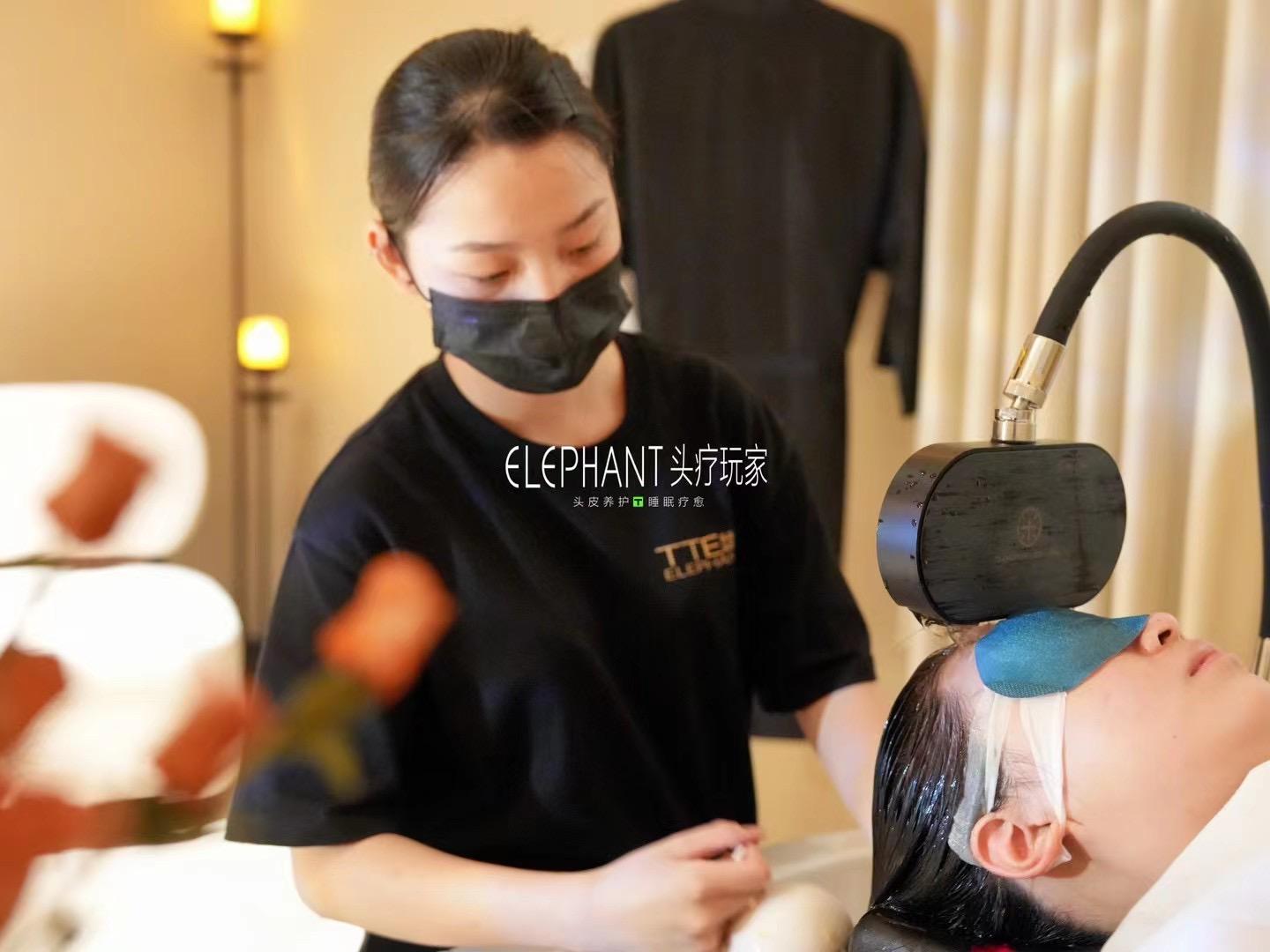
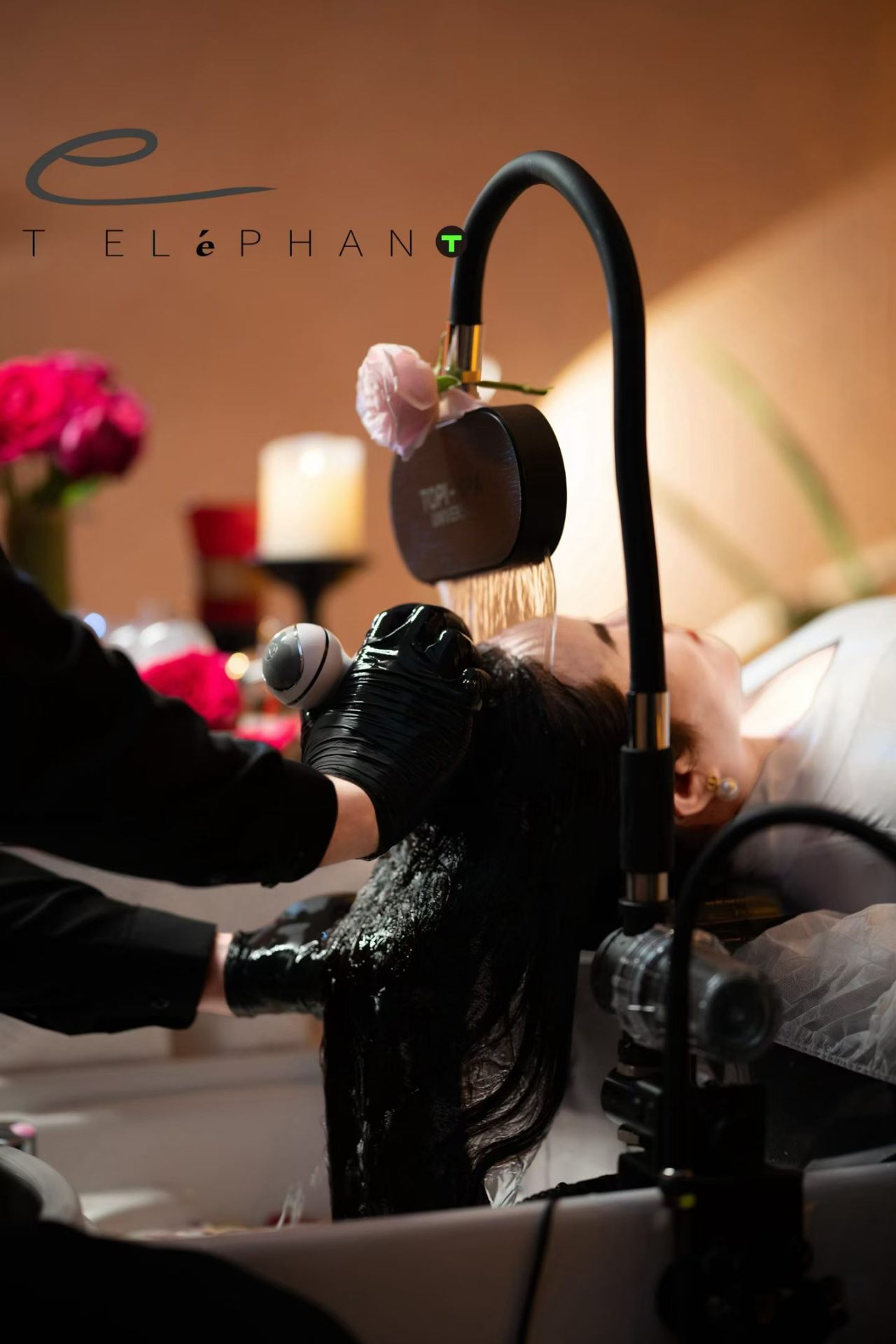
Our S.Deep Brain Release Therapy brings together aromatherapy, sleep relaxation techniques, deep head release techniques and meridian-inspired massage. It also includes double cleansing, Waterfall Head Spa and Singing Bowl sound therapy.
The finishing care uses TH LAB Volcanic Scalp Mask or Soothing Hydration Mask, followed by conditioning, a blow-dry and scalp essence application. The session lasts 90 minutes. You can read the complete Brain Relax service guide before deciding whether the experience appeals to you.
The attraction is not another task to perform well. You can choose to put work notifications aside and spend the appointment receiving head and scalp care. You do not have to meditate successfully, fall asleep or leave feeling a particular way for the time to be worthwhile.
Hands-on care may support short-term relaxation
In a small controlled study, both massage and quiet rest improved reported relaxation. Massage also produced greater changes in a heart-rate-variability measure, but this was not a test of TTE's treatment or lasting mental recovery. It gives a reason to consider massage for relaxation without promising a specific result. Massage and rest study.
Scalp-specific research is limited. One study followed 34 female office workers through repeated sessions over ten weeks. Its hormone findings cannot tell us what one S.Deep appointment will do for your cortisol level. Scalp massage study.
Water, scent and sound are part of the experience
Flowing water, touch, fragrance and the sound of a singing bowl give the appointment its sensory character. These may appeal when you want something different from another screen-based activity.
Singing-bowl research includes small studies with encouraging short-term findings, but a broader review identified substantial limitations. Aromatherapy benefits also depend on what is used and how; they should not be presented as a guaranteed treatment for stress or sleep problems. Singing-bowl evidence review, NCCIH aromatherapy guidance.
Tell the team about fragrance sensitivity, sound sensitivity, scalp irritation or concerns about massage pressure before booking. Ask what adjustments are available, and speak up if anything feels uncomfortable. The aim is a comfortable experience, not pressure you must endure.

What "recovery" should mean here
For this wellness experience, recovery means making room to rest and unwind, not repairing brain tissue or restoring a measured store of mental energy. Whether you feel more relaxed afterwards will vary.
The name S.Deep Brain Release Therapy refers to a head and scalp wellness service. It is not a medical brain treatment. The research discussed here does not establish that this service treats brain fog, burnout or insomnia.
Burnout deserves particular care: WHO describes it in relation to chronic workplace stress, not simply being tired after one busy day. A relaxing afternoon cannot resolve every problem in the workplace. WHO explanation of burnout.
When to seek medical help instead of another wellness appointment
Arrange medical advice if unexplained fatigue lasts for weeks, is worsening, or affects your daily life. Persistent concentration problems or sleep difficulties also deserve attention. A clinician can help assess causes rather than assuming you need more relaxation. NHS tiredness guidance, CDC sleep guidance.
Seek emergency medical help for sudden confusion, one-sided weakness, difficulty speaking or a sudden severe headache. Do not label these as ordinary brain overuse or wait for a headspa appointment. NHS stroke warning signs.
Frequently asked questions
Q: Can thinking too much damage my brain? A: Feeling exhausted after mental effort does not by itself show brain damage. If symptoms are new, persistent or worsening, seek medical assessment rather than relying on the label "brain overuse."
Q: Can headspa cure mental fatigue or brain fog? A: Headspa is not an established treatment for these symptoms. TTE's S.Deep experience is designed for relaxation and scalp care; it does not replace investigating an underlying cause.
Q: Is Brain Relax the same as S.Deep Brain Release Therapy? A: In this article, Brain Relax refers to TTE Elephant's 90-minute S.Deep Brain Release Therapy. Use the full service name when enquiring and confirm the current inclusions and price.
Q: Will I fall asleep or feel recovered after one session? A: Neither is guaranteed. You can enjoy a rest-oriented appointment while awake, and how you feel afterwards will vary. The session does not replace your normal sleep.
Q: How often should I book? A: There is no established clinical schedule for using this service to treat mental fatigue. Choose appointments according to your preferences and budget, and seek healthcare advice if symptoms keep returning.
Make time to unwind in Kuala Lumpur
When you want a local break centred on head and scalp care, visit TTE Elephant Headspa at Unit 9-6, The Boulevard, Mid Valley City, 59200 Kuala Lumpur. Check the Kuala Lumpur branch details and allow time around the 90-minute session so the appointment does not become another thing to rush through.
You do not need to wait for a long holiday to make some space for yourself. Explore S.Deep Brain Release Therapy and available appointments.