Bangsar is one of Kuala Lumpur's densest professional corridors. Within a 2km radius of Bangsar Village you will find law firms, boutique finance houses, regional creative agencies, management consultants, and technology startups — a concentration of high-cognitive, high-pressure roles that is difficult to match anywhere else in the Klang Valley.
That professional density has a biological cost that most residents don't connect to their hair.
The Cortisol–Follicle Axis
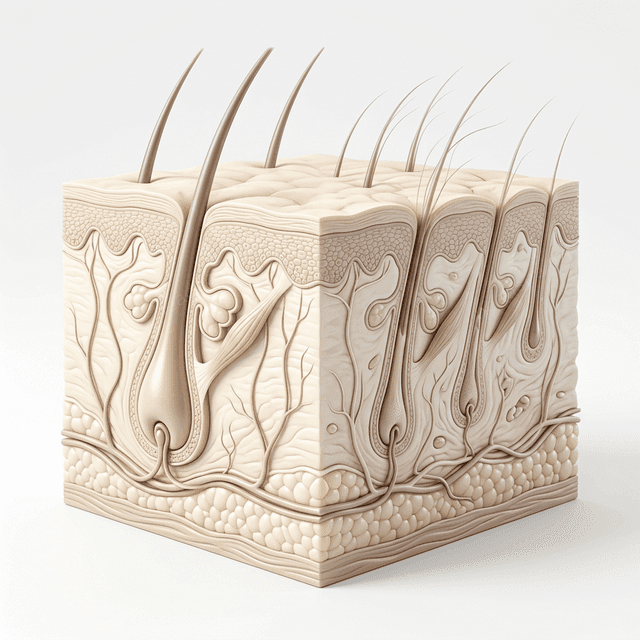
Chronic occupational stress drives sustained elevation of cortisol, the primary glucocorticoid stress hormone. Research published in the *Journal of Investigative Dermatology* (Arck et al., 2006) established that elevated cortisol suppresses Wnt/β-catenin signalling in hair follicle stem cells — the molecular pathway responsible for transitioning follicles from the resting (telogen) phase back into active growth (anagen). The clinical outcome is telogen effluvium: a diffuse, non-scarring hair loss pattern characterised by excessive shedding 2–4 months after the triggering stress period.
For Bangsar professionals, the triggering stress is not an acute event. It is the compounded daily load of the Bangsar–KL Sentral commute corridor — whether that means gridlock on Jalan Maarof feeding the Federal Highway, a packed LRT from Abdullah Hukum, or the perpetual parking anxiety around Bangsar Shopping Centre. Commute stress alone raises salivary cortisol by 15–25% above baseline in urban populations (Stokols et al., 2009). Layer eight to twelve hours of deadline-driven work on top, and the cortisol curve never fully recovers during the workday.
The Café Culture Amplifier
Bangsar's café culture is a defining social feature — and an underappreciated cortisol amplifier. Caffeine inhibits phosphodiesterase and adenosine receptors, sustaining cortisol secretion beyond what stress alone would produce. A 2005 study in *Psychosomatic Medicine* found that daily caffeine intake of ≥300 mg raised cortisol reactivity to psychosocial stressors by 32% compared to placebo controls.
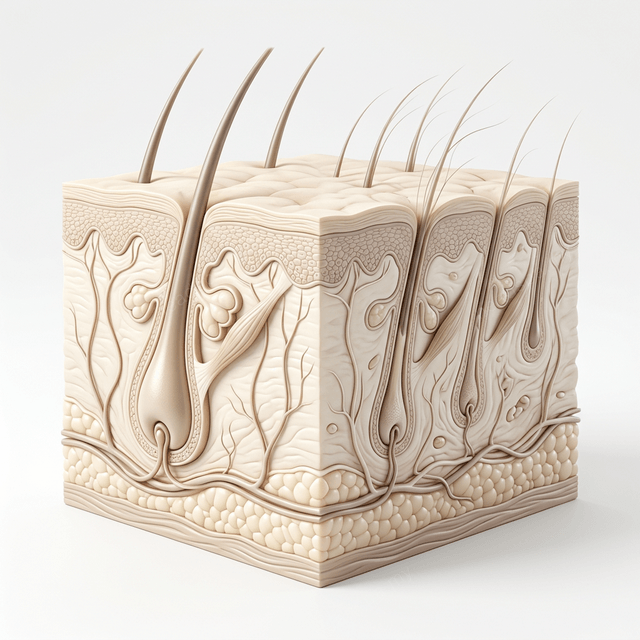
The average Bangsar professional consuming two to three specialty coffees per day — in a high-stimulus work environment — operates with a chronically sensitised HPA axis. The follicular impact is cumulative: each cortisol spike partially suppresses Wnt signalling; repeated over weeks, stem cell activation enters a dysfunctional resting pattern that clinical shampoos cannot reverse.
Circadian Disruption Doubles the Damage
Bangsar's working culture normalises late evenings. Finance teams model until midnight; agency creatives present decks at 11pm; consulting teams in regional roles bridge time zones across Asia and Europe. This pattern disrupts circadian rhythm, which governs the timing of cortisol's diurnal decline. Normally, cortisol drops sharply after 3pm and reaches its nadir around 2am — the window during which follicle stem cell proliferation is highest.
When work continues past midnight under artificial light, the cortisol decline is blunted. Studies in shift-worker populations show that night-time cortisol elevation doubles the follicle-suppressing effect of daytime stress. The result is a 24-hour cortisol profile with no biological recovery window — and follicles that receive suppressive signals even during their natural growth phase.
| Stress Factor | Cortisol Impact | Follicle Consequence |
|---|---|---|
| Bangsar–City Centre commute (40–70 min daily) | +15–25% above baseline | Prolonged telogen phase |
| 2–3 specialty coffees/day | +32% cortisol reactivity | Amplified HPA sensitisation |
| Late-night work (past midnight) | Blunted nocturnal decline | 0 follicle recovery window |
| Combined chronic load | Sustained elevation (>18 nmol/L) | Telogen effluvium onset |
Iron Depletion: The Silent Co-Factor
Trost et al. (2006) identified iron deficiency as a significant co-factor in telogen effluvium, particularly in professional women under chronic stress. The mechanism: cortisol suppresses ferritin synthesis while simultaneously increasing red blood cell turnover demand. Many Bangsar professionals — especially those skipping meals or relying on café food with poor bioavailable iron — present with serum ferritin below 40 ng/mL, the clinical threshold for follicle-supportive iron stores, despite normal haemoglobin.
This explains why scalp shedding often persists even after stress nominally reduces: the iron deficit has accumulated over months and requires targeted supplementation alongside cortisol normalisation.
The TTE Elephant Protocol
TTE Elephant at Mid Valley is approximately 8 minutes from Bangsar Village — a deliberate location for the Bangsar professional catchment. The Sleep Healing Headspa protocol is specifically structured to interrupt the cortisol cycle through vagus nerve stimulation via the auricular branch (accessed at the scalp-behind-ear junction) and structured cranial pressure sequences that shift autonomic balance toward parasympathetic dominance.
A single session promotes relaxation and supports cortisol regulation in healthy stressed adults (Field, 2016). For Bangsar professionals, the protocol serves as a clinical cortisol interrupt — not a luxury experience, but a biological reset that the follicle environment requires to resume Wnt/β-catenin signalling.
Trichoscopy assessment at first visit maps the telogen:anagen ratio and sebum load, providing a measurable baseline. Most professionals see early anagen re-entry within 6–8 weeks of monthly sessions combined with iron and adaptogen supplementation.
Learn more about the cortisol–follicle pathway or book a trichoscopy assessment at our Bangsar-adjacent location.
---
FAQ
Q: How quickly does stress-related hair loss appear after a high-pressure period? A: Telogen effluvium typically presents 2–4 months after the triggering stress period, because that is how long it takes for follicles pushed into telogen to complete the resting phase and shed. If you are experiencing sudden shedding now, the root cause was likely a high-cortisol period in mid-late 2025.
Q: Will stopping caffeine reverse the hair loss? A: Reducing caffeine lowers HPA sensitisation, which helps — but if telogen effluvium is already established, the more critical intervention is restoring Wnt/β-catenin signalling through cortisol normalisation (vagus nerve stimulation, adaptogen support) and addressing any iron deficiency. Caffeine reduction is a supporting measure, not a primary treatment.
Q: Is TTE Elephant's Sleep Healing protocol suitable for men with professional hair thinning? A: Yes. Telogen effluvium is androgen-independent and affects both sexes under chronic stress. The protocol does not interfere with — and may complement — androgenetic alopecia management by improving the follicular environment and reducing the inflammatory co-load that accelerates pattern thinning.